Editor’s Note: Add Text
If you want to help take care of the planet, there are many things you can do on an individual level to be more sustainable. You can use eco-friendly products like Swedish dishcloths, reusable bags and bidets. You can drive less or switch to more sustainable fashion brands and shoes. But if you still want to reduce your impact on the planet, there’s another simple solution that everyone can do: composting.
Food waste is a huge contributor to climate change; in fact, according to the World Wildlife Fund, “about 6% to 8% of all human-caused greenhouse gas emissions could be reduced if we stop wasting food,” and in the U.S. alone, food waste emits about the same amount of greenhouse gasses as 32.6 million cars.
The EPA estimates that over one-third of food is wasted in the US, making it the most common material in landfills. And when food sits in those landfills, it’s unable to decompose. “When organic material (such as food scraps) is sent to the landfill, it is unable to break down naturally, but instead produces methane, a harmful greenhouse gas,” says Elena Lopez, outreach and communications manager at LA Compost, a nonprofit that helps improve compost access and education. So much food sits in landfills that, according to the EPA, “globally, food loss and waste represent 8% of anthropogenic greenhouse gas emissions.”
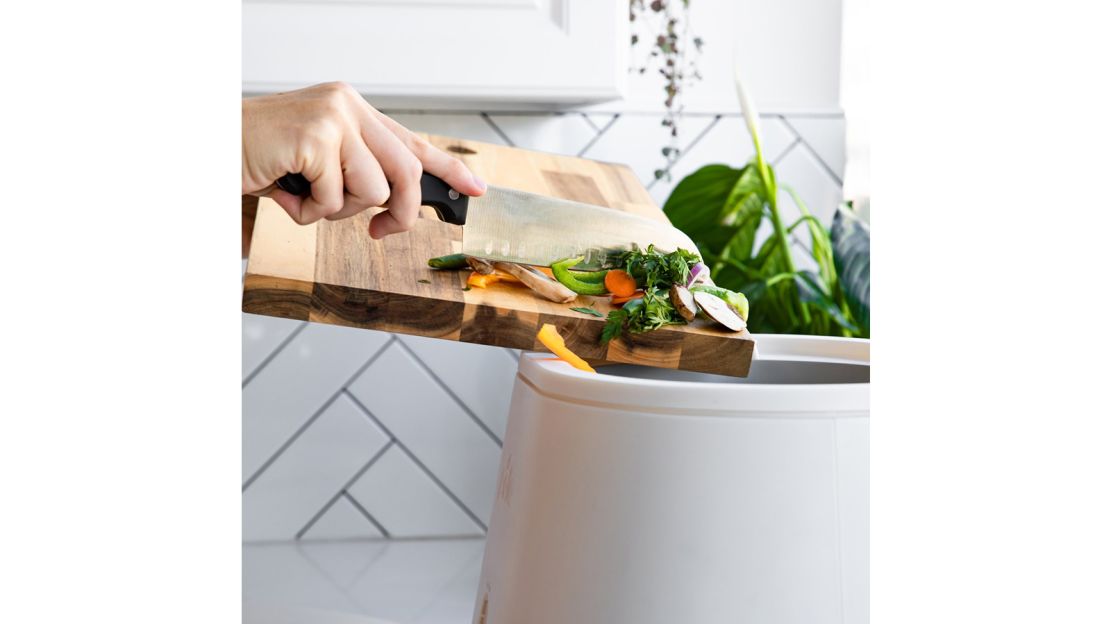
If you want to lessen your own carbon impact, composting your food waste is a great way to start. But if you think composting by yourself is daunting and reserved only for communes and farmers, there’s no need to worry. We talked to compost experts, all who say it’s actually quite simple once you learn the basics.
“Composting is one of the most important and relatively easy steps we can take to realign our lives and society with Earth,” says Rob Greenfield, environmental activist and author of several books, including “Zero Waste Kids: Hands-On Projects and Activities to Reduce, Reuse, and Recycle.”
“First, it keeps food out of the landfill where it emits methane and other gasses that we don’t need. In the landfill wasted food can sit for decades, because a landfill is not designed for decomposition,” Greenfield says. “Next, it turns wasted resources like food waste, leaves and paper and turns it into rich compost that can be used to grow our own food and regenerate our depleted land.”
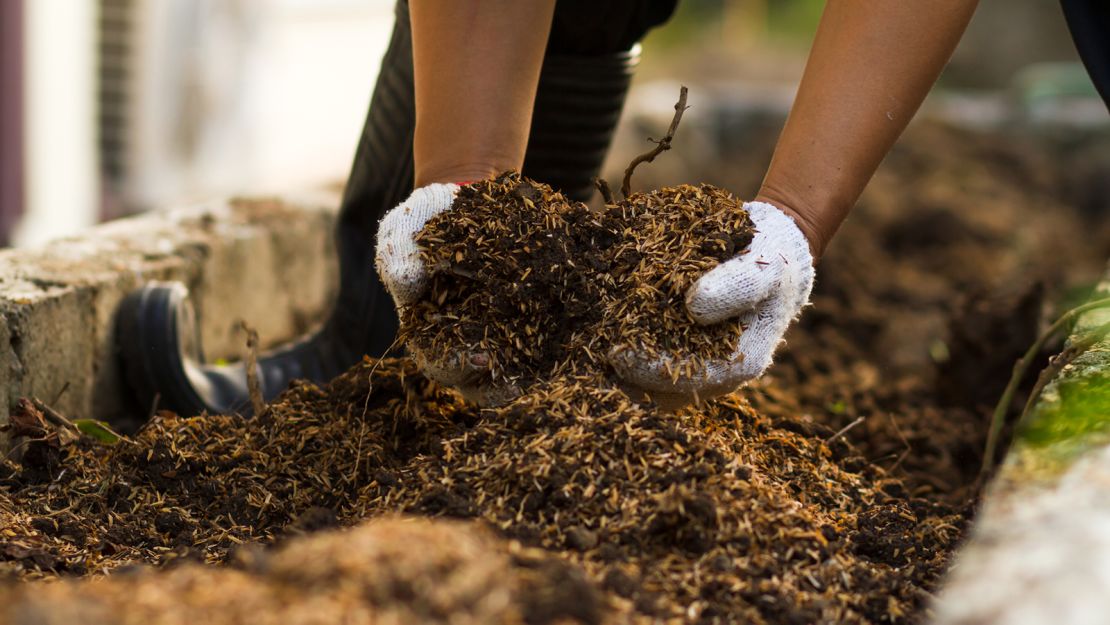
Compost is a soil chock-full of nutrients that’s created after organic matter breaks down. This soil is the end result of a decomposition process that occurs naturally, but one that we can mimic at home through several composting techniques. “When organic materials are composted, the process of composting allows the material to fully break down,” says Lopez. “The result is a finished compost product that is used to amend soils by adding nutrients that help many edible plants grow and thrive.”
If you want to try composting, there are plenty of ways to do it in your backyard, or even in your kitchen. “There are a number of options for composting at home, including worm bins, bokashi, food recycler systems and a variety of backyard systems,” says Tara McKenna, author of “Don’t Be Trashy: A Practical Guide to Living With Less Waste and More Joy” and founder of The Zero Waste Collective. “It’s mostly a matter of picking the right option for your family, and your living situation.”
We’ll dive into all the different ways you can compost, but before you choose which one is best for you, it’s important to know how composting actually works. It may seem complicated because there are so many different methods, but at its root composting is very simple.
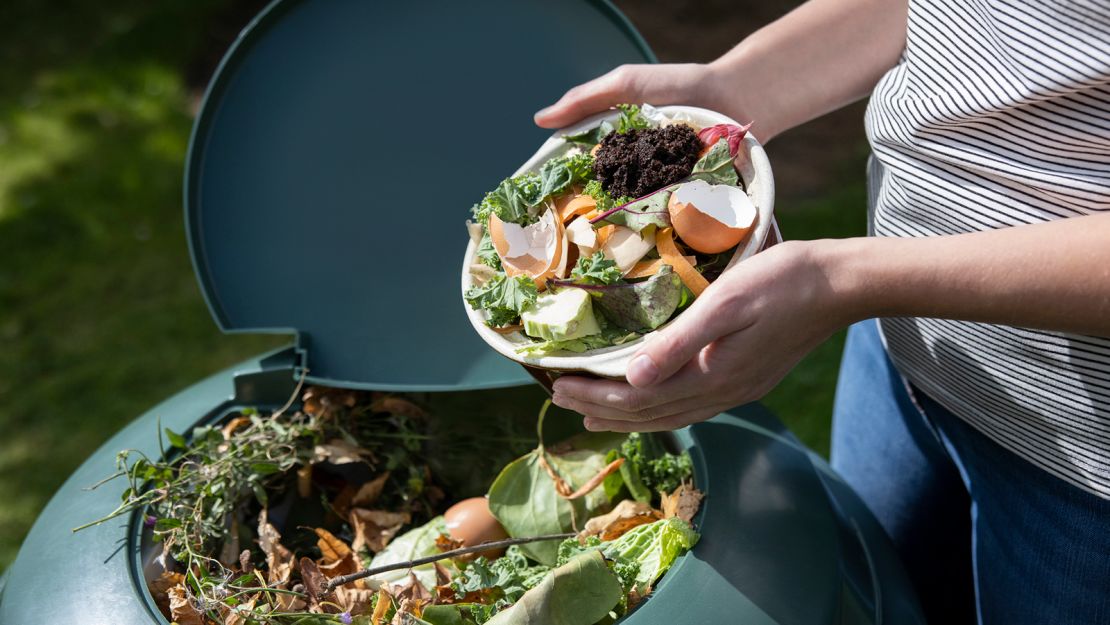
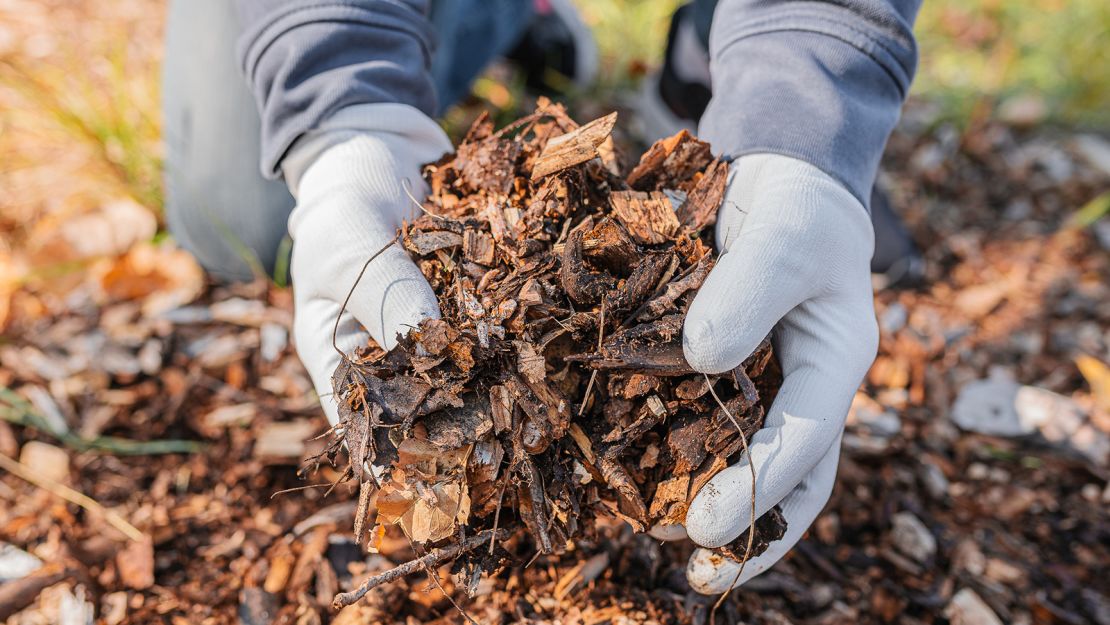
“There are four essential elements of the composting process. The first, nitrogen, is what you might typically think of when you think of compost, food scraps! We call them ‘greens.’ Other green materials include green leaves, coffee grounds, eggshells and other materials that were once living,” says Lopez. “Next is carbon, or what we call ‘browns.’ Browns include mulch, dried leaves, sawdust, newspaper clippings and brown paper towels and bags.” Along with greens and browns, Lopez says compost also needs oxygen and water to keep the organisms that break down your food alive and well.
“Once you understand these elements, you will simply collect your greens, add them to your compost system and layer browns over the greens each time,” Lopez says. “This is called ‘lasagna composting,’ due to the layering.” Lopez says you should turn and water your compost regularly, and your pile will start to shrink as the composting process begins.
Lopez says the compost will have a moderate temperature of 65 to 100 degrees Fahrenheit in the first few days as the organisms begin to break down easy-to-digest materials. After a few weeks the temperature will rise to 130 to 155 degrees Fahrenheit as harder-to-digest materials are broken down and finally, after six to eight weeks, the decomposition will slow down and your compost will be finished. Lopez says to watch for a dark brown color and an ambient temperature of about 80 to 110 degrees Fahrenheit to know your compost is complete.
While you’re composting, you’ll want to monitor the system to make sure it has enough of each of the four elements. Lopez says any problems that arise can most likely be solved by adjusting your ratio. “Pile isn’t heating up? Try adding more greens or turning more often. Getting odors or pests? Add more browns,” she says. “Composting is a natural process and is all about creating the right environment for organisms to live and do their jobs breaking down the organic material.”
However, depending on what method of composting you use, this ratio can differ. “It’s always dependent on the system. Every system has its own rules and that’s why you’ve got to know what you’re making and how you’re making it,” Rebecca Louie, master composter and author of “Compost City: Practical Composting Know-How for Small-Space Living,” says. “Someone’s not going to hand you a Cuisinart and then you’re gonna use it like a pizza stone. It’s a completely different thing.”
Louie likes to compare composting to making a cocktail. “There is a basic recipe for it, but you have to find out the precise elements that work for you, the right ratio for things,” she says. Louie (aka The Compostess) says you need to take into account all factors, such as if your environment gets really hot or cold and what sort of food scraps you plan on composting. “The goal, ultimately, is to create a system that is optimal for the bacteria to step in.”
To ensure your compost is friendly to bacteria, Louie says the amount of moisture in your system is critical. “The ideal balance and texture coming out of any compost system should be that of a wrung-out sponge,” she says. You can’t let it get too wet or too dry or else the process won’t work properly.
The basics are simple, but to ensure you have a happy composting journey we asked our experts for their favorite tips and tricks.
- Louie recommends covering your greens and food scraps with lots of browns if you don’t have a system with a lid. If you bury those scraps down in the pile, it’s less likely any pests or predators will be able to sniff them out.
- Louie also says that if you’re running short on browns and don’t have piles of dead leaves, you can use egg cartons, shredded paper and even cut-up, non-waxy cardboard boxes.
- When it comes to choosing a composter, Louie says that it’s better to go simple. “In most cases, the bells and whistles on a product are just that and not necessary if you’re doing it right,” says Louie. She encourages you to buy basic products or even build your own system, and puts emphasis on gaining more compost knowledge so you won’t need any fancy features.
- If you still want to compost but can’t do it at home, McKenna says to research to see if there’s a composting program near you. “See if a local community garden or farmers market will take your organic waste for compost,” she says. Lopez echoes this sentiment and says to ask around. “You may have a network of community composters near you and not even know it,” she says. “Check out makesoil.org or sharewaste.com to see if there are community composting efforts near you.”
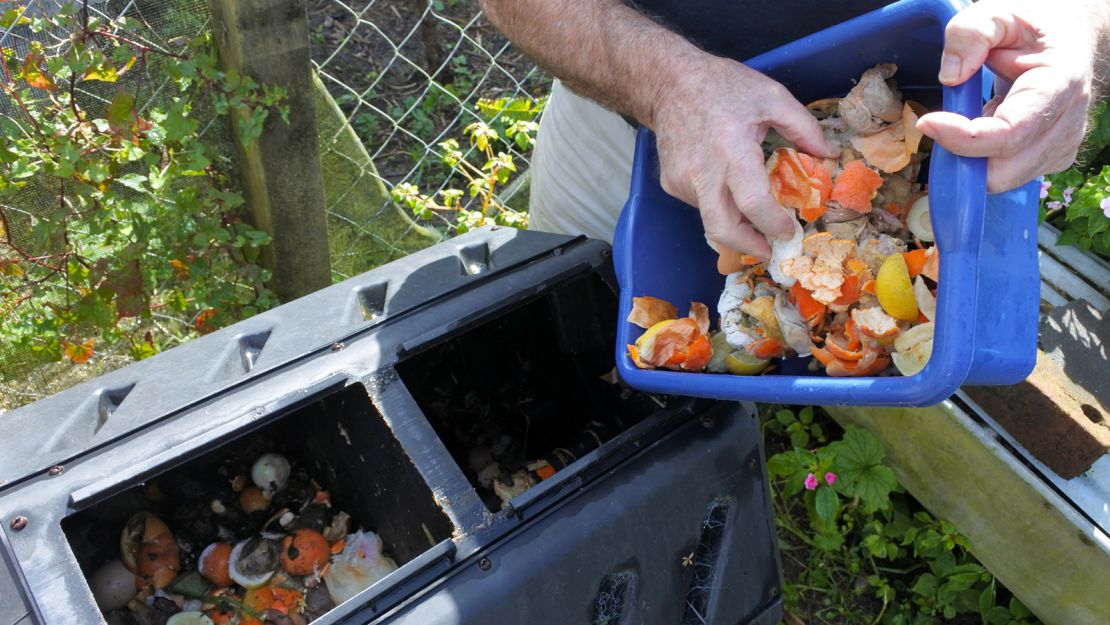
“Compost is like a magical elixir for any soil ecosystem,” says Louie. It helps plant growth, thanks to its multitude of nutrients and microbes and, thanks to its richness, you can add compost anywhere there’s soil. Louie recommends adding the final product to your garden, your plants and even trees on the street or at the park.
In addition, if your system doesn’t produce lots of compost, such as with a vermicomposter, you can make compost tea, according to Louie. Just take compost, put it in some water, give it a sugary food and aerate it. It will bubble and become alive, then you can pour it into your soil for a nutritious boost or spray it on your plant’s leaves.
Now that you know the basics of composting, it’s time to figure out which system to use. To choose which compost method is best for you, Louie says the most important thing to do is figure out exactly what, and how much, you want to compost. “Set your own expectations of what you want to do,” says Louie. “Find a system that realistically matches with your waste stream and the level of effort that you want to put in.”
If you have access to outdoor space, you have plenty of options for compost. The first, and what Louie says is the easiest, is what’s called trench composting. To trench compost all you need to do is dig a deep hole, toss your food scraps in and cover it with 8 to 10 inches of soil.
A second and similar way is with a digester, which is basically a bin that’s partially underground and partially above ground. The part of the digester that’s below ground has holes so the soil’s ecosystem can break down your food scraps, but its lid on top keeps smells and pests away.
There’s some variance in digesters, as some use a design that uses the heat of the sun to help decomposition and others encourage you to add worms. According to Louie, while digesters are able to compost your waste without worms since they’re placed in the ground, adding the little critters can help speed up the process — especially if your soil doesn’t naturally have a lot of worms — but in general they aren’t necessary.
Both of these methods require less upkeep than other composting methods because they have access to the actual soil, which helps break down food with less maintenance. If you use a contained system like a vermicomposter or an elevated compost bin you’ll have to keep a closer eye on your ratio to ensure everything is composting smoothly.
Green Cone Solar Waste Digester
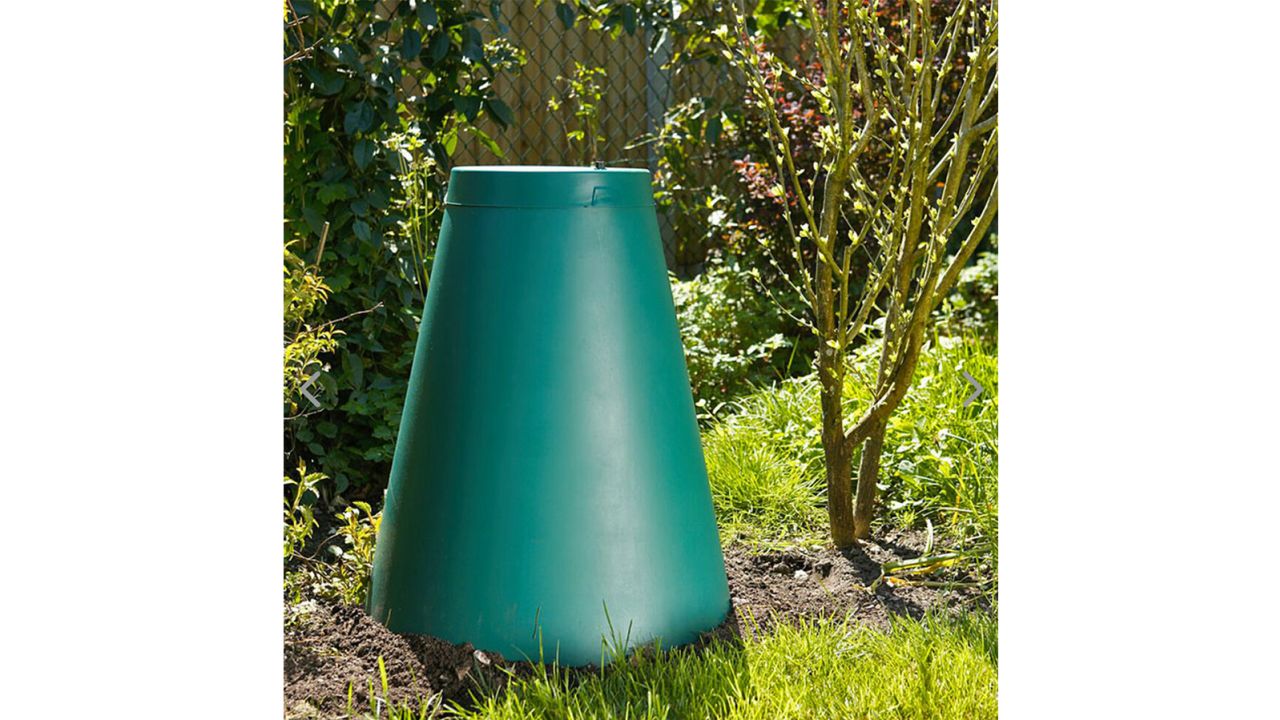
This digester lives partially in the ground, but its conical design helps heat up your food scraps to accelerate the decomposition process. Louie says if you go with a digester like this one, you might want to avoid adding worms because they won’t like the additional heat.
Vego Garden In-Ground Worm Composter
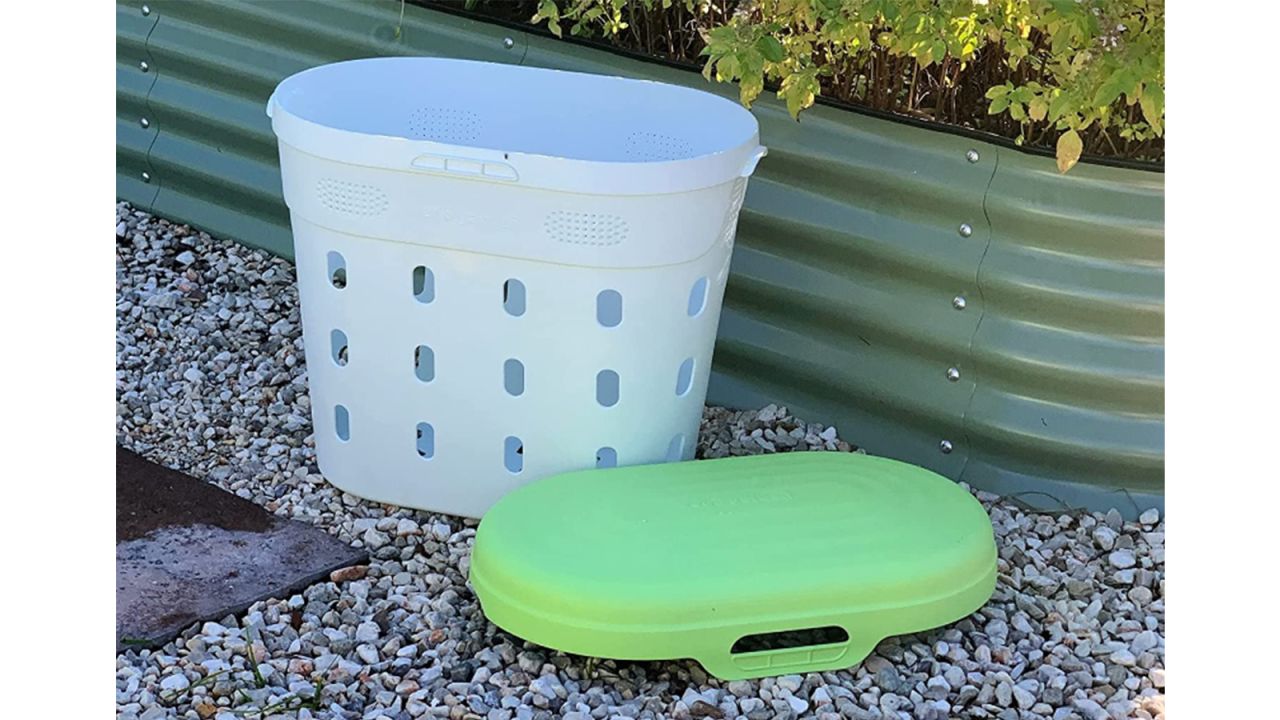
This digester also lives mostly underground and encourages you to add worms to accelerate decomposition. There’s a lot of digging at the outset, but once the bin is stationed in the ground, you can simply open the lid and add your greens and browns.
Behrens 31-Gallon Galvanized Steel Round Trash Can With Lid
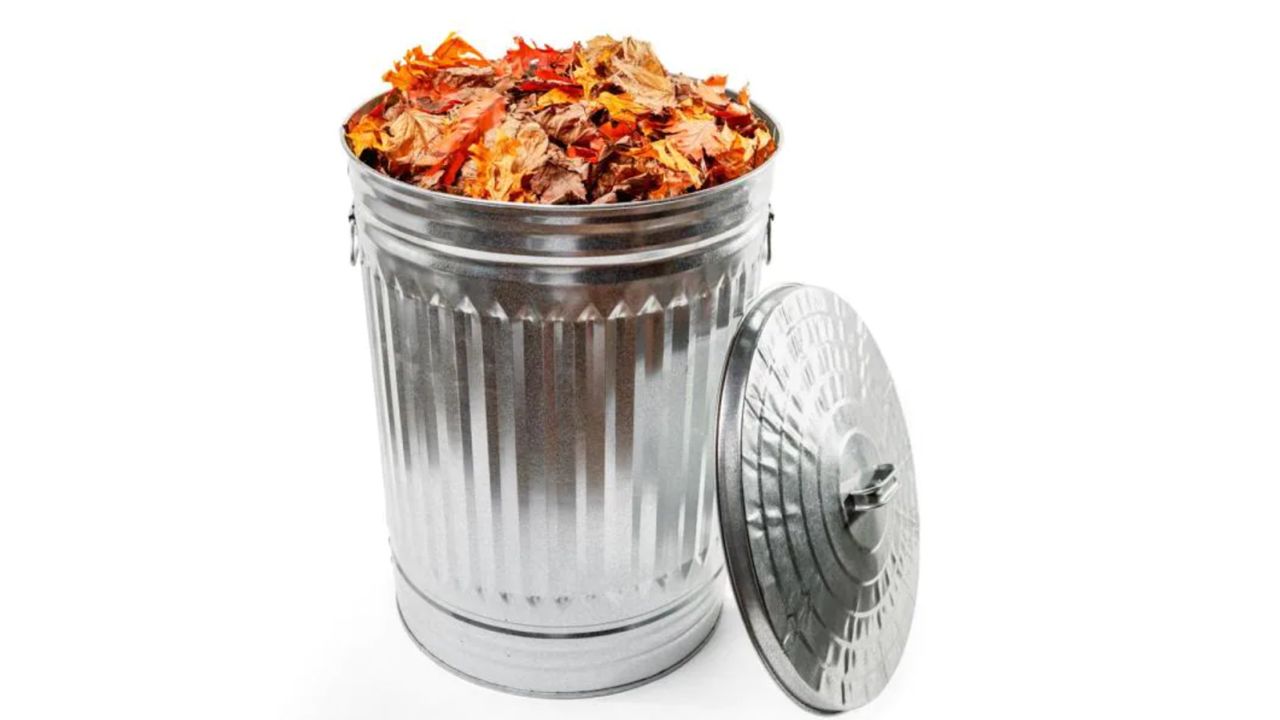
If you want to save money, you don’t have to actually buy a digester because you can make one yourself. Just drill holes into the bottom and lower third of a galvanized steel trash can, embed it into the ground and — voíla! — you have a composter.
Yet another option is a compost bin that sits on top of the ground but still has holes in the bottom to help with drainage. It doesn’t have as much access to the natural soil, but since the bin is aboveground you can get a composter with multiple bins or even two separate ones if you need you to compost more at the same time.
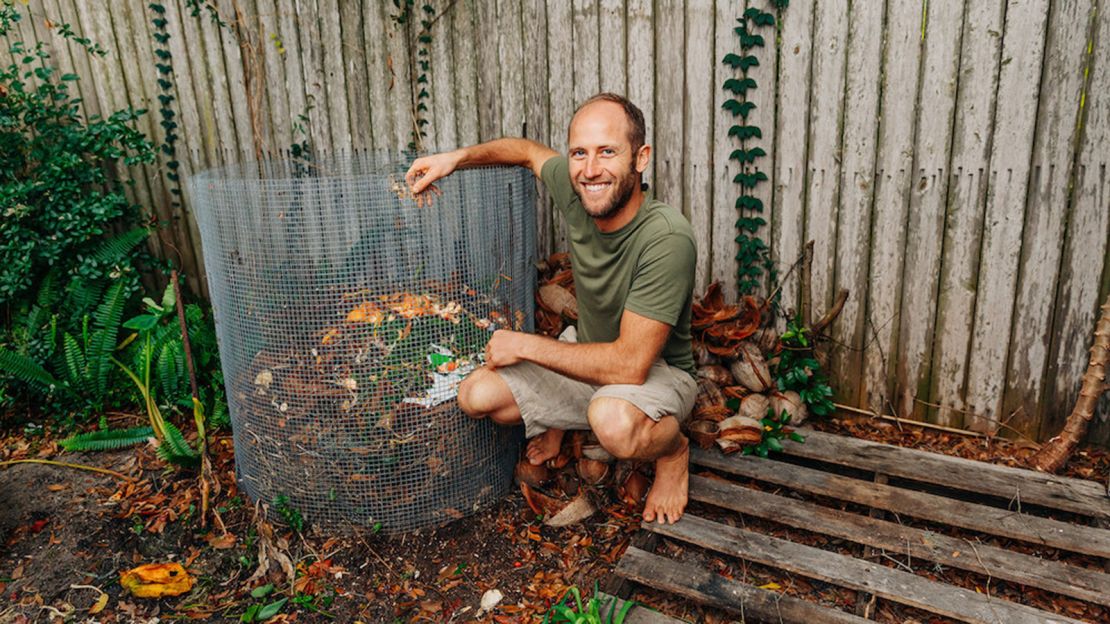
This system is similar to the one Greenfield prefers, which is an open-air, DIY composter. “The two main ways that I make a compost bin are with pallets that I pick up from going to waste or with hardware cloth/chicken wire,” Greenfield says. “Simply put the three pallets together to make a U shape and then on the front fashion some sort of door to keep dogs out, such as wood slabs, chicken wire or another pallet. Or if you are using the hardware cloth/chicken wire method, use about 10 feet and tie it into a circle. Simple as that!”
Greenes 77.3-Gallon Cedar Wood Stationary Composter
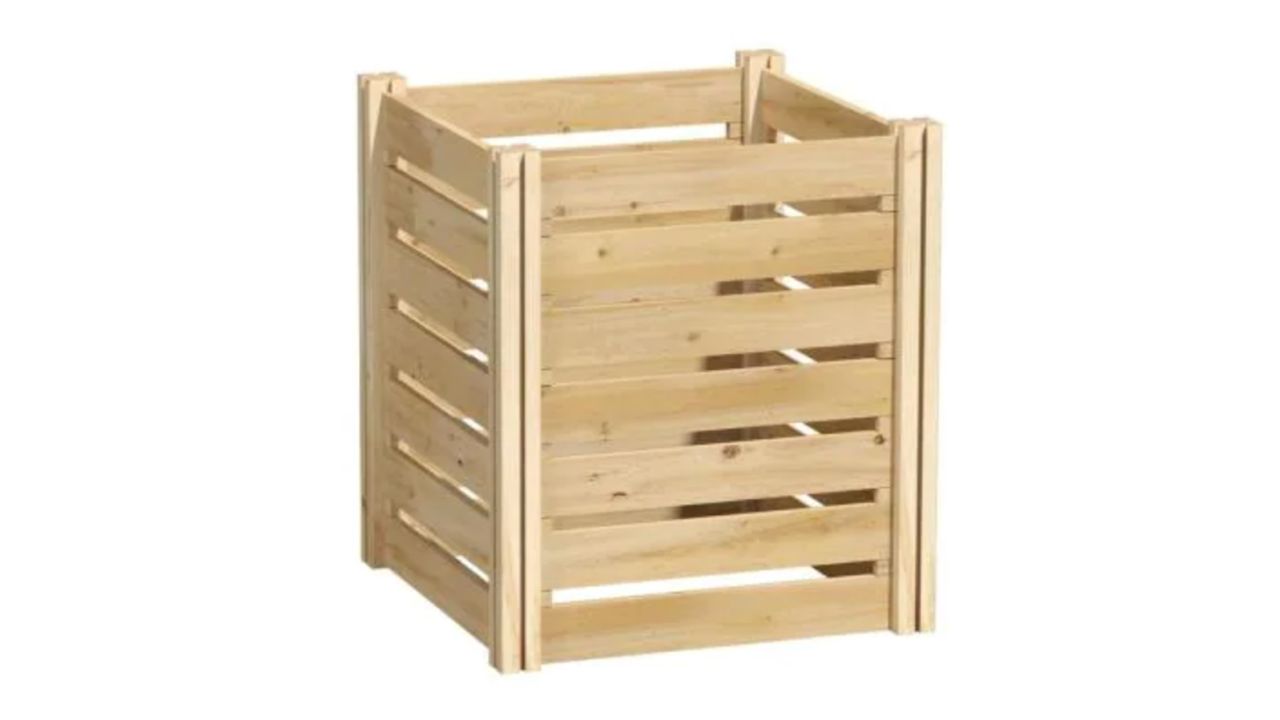
If you don’t have spare pallets or want to build your own setup, this pre-built wooden composter is a great alternative.
Bosmere 100-Gallon Steel Wire Compost Bin
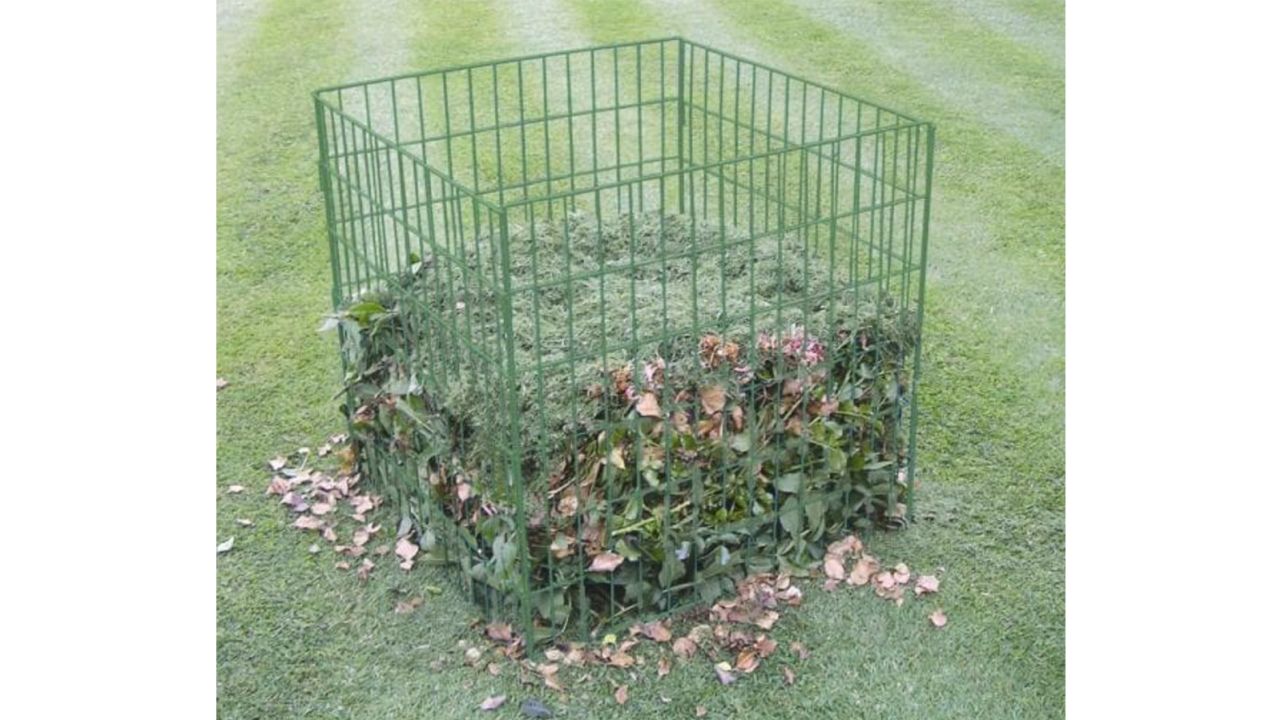
This steel-wire compost bin is the same idea as a circle of chicken wire, but this one has a door so you can easily access the compost when you need to.
Redmon Since 1883 65-Gallon Compost Bin
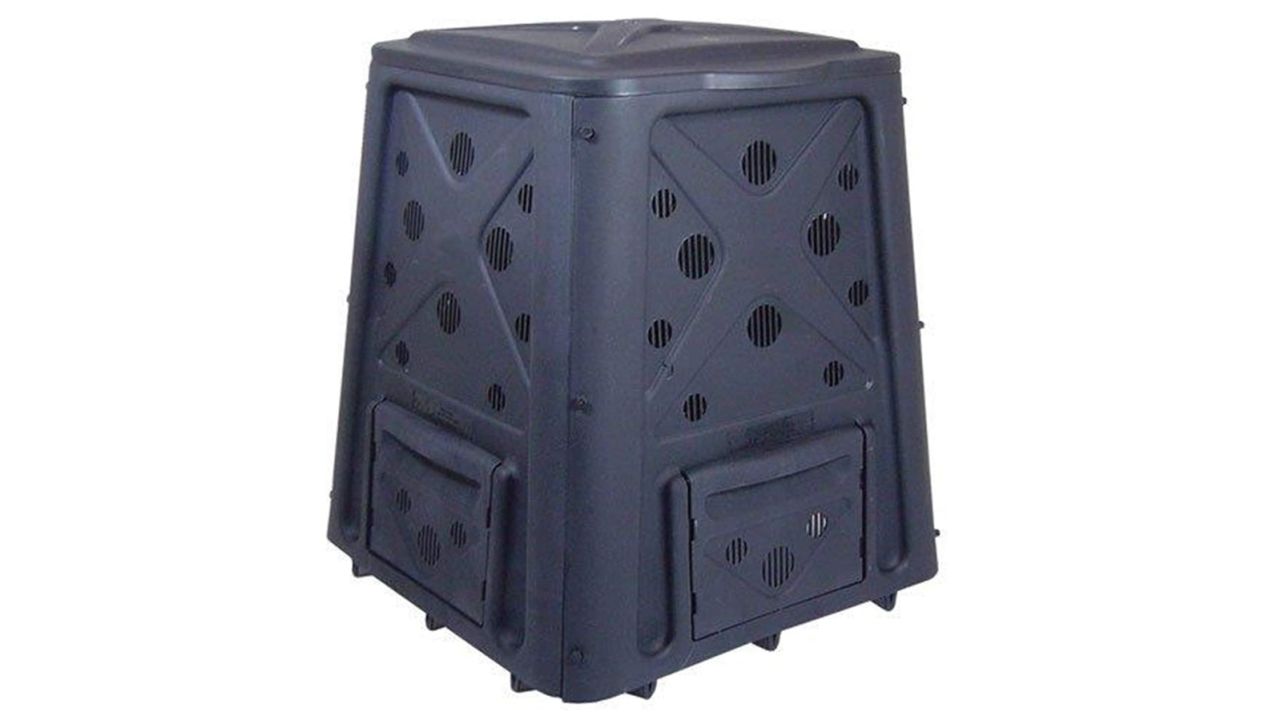
This bin sits on the ground and makes contact with your soil, so all you have to worry about is your ratio of greens, browns, air and water. It’s got a snap-on lid on top and four small doors on the bottom to remove the finished compost.
FreeGarden Earth 82-Gallon Enviro World Compost Bin
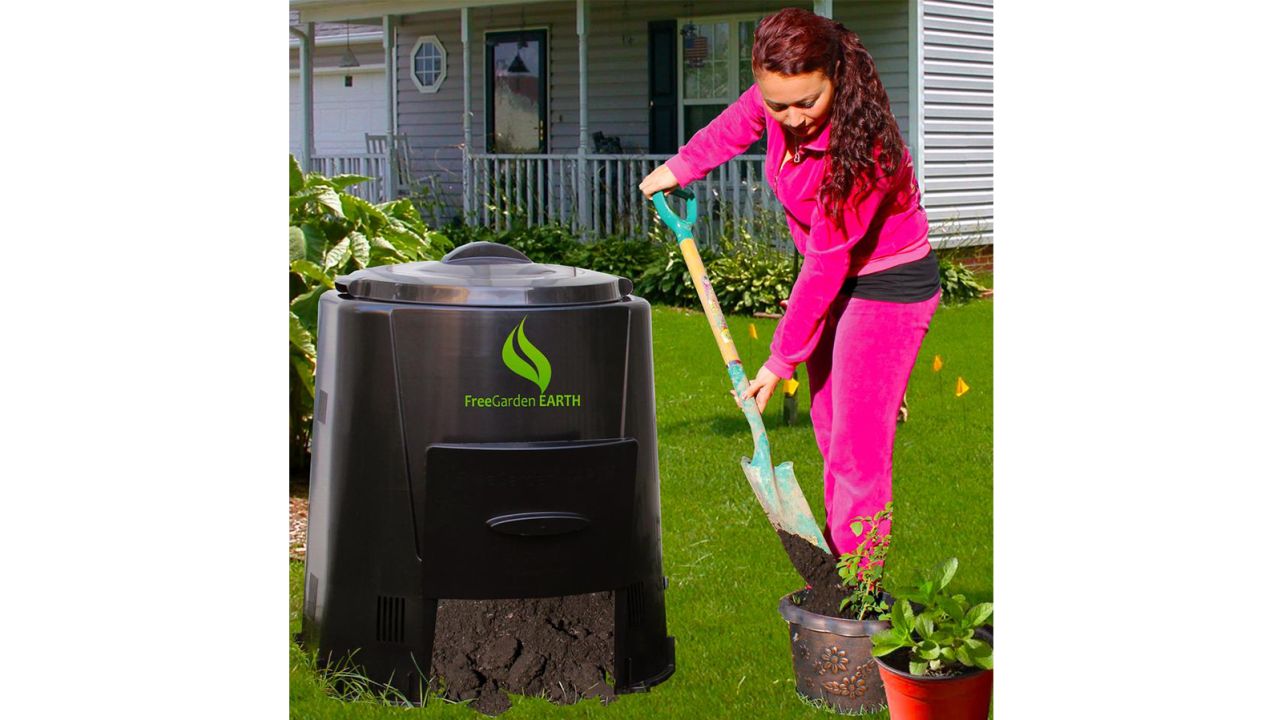
This compost bin features a twisting lid to make it harder for pets and pests to get in, along with an adjustable body to regulate airflow and metal grounding pegs to ensure it stays in one place. Plus, it has a big opening at the bottom so you can easily remove compost when it has fully broken down.
The last of the outdoor options are elevated, completely above-ground containers that have their own bottom that doesn’t leach into the soil. “The benefit of these is that they can go on your patios, on your rooftop, your balconies,” says Louie. “They can sit on surfaces and contain the composting process entirely within them, but there is usually a little bit more attention that needs to be paid to the balance of browns and greens and what you’re doing in there.”
Louie says if you’re looking for a tumbler, you should consider a two-chambered one because they help a lot with harvesting. You can harvest one chamber while the other is still composting, which means you don’t have to sit and wait for one pile to completely compost before adding more food scraps.
Exaco 43-Gallon Mr. Spin Dual-Chamber Compost Tumbler
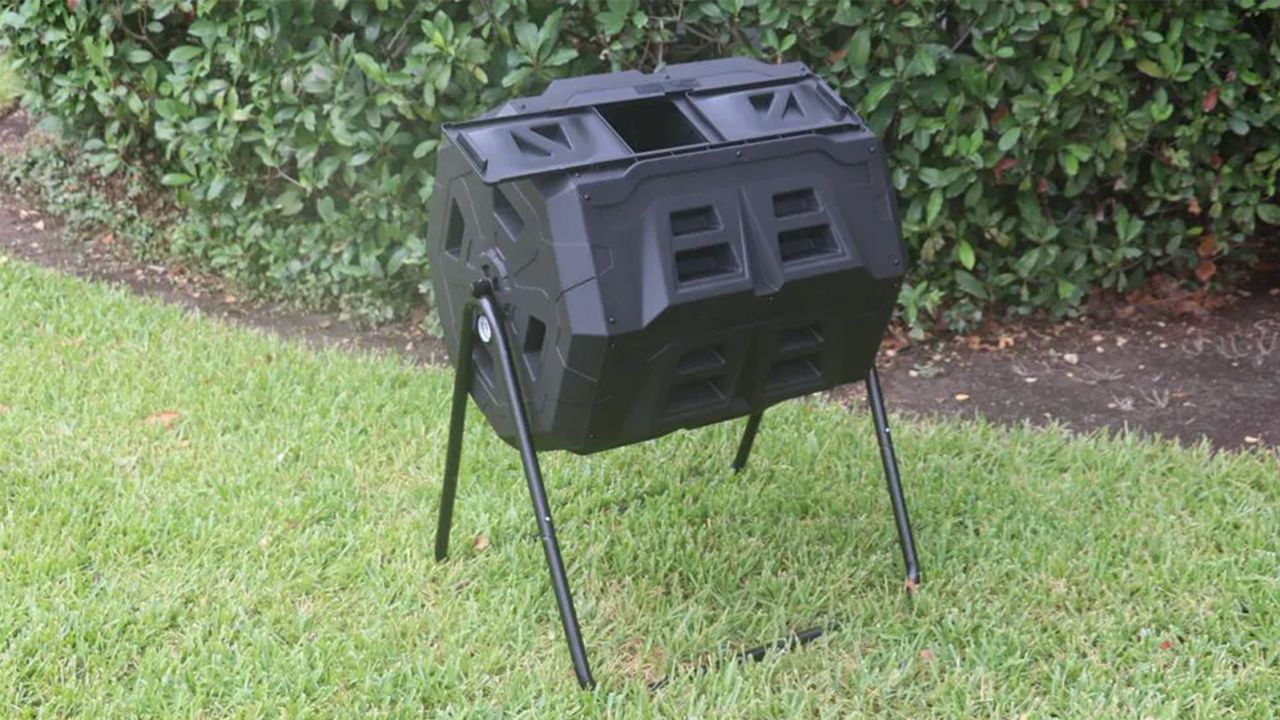
This dual-chamber tumbler has a built-in thermometer so you can quickly and easily keep tabs on your pile’s progress. Plus, its sturdy base ensures it stays stable even when you’re spinning the compost to aerate it.
FCMP Outdoor Tumbling Composter With Two Chambers
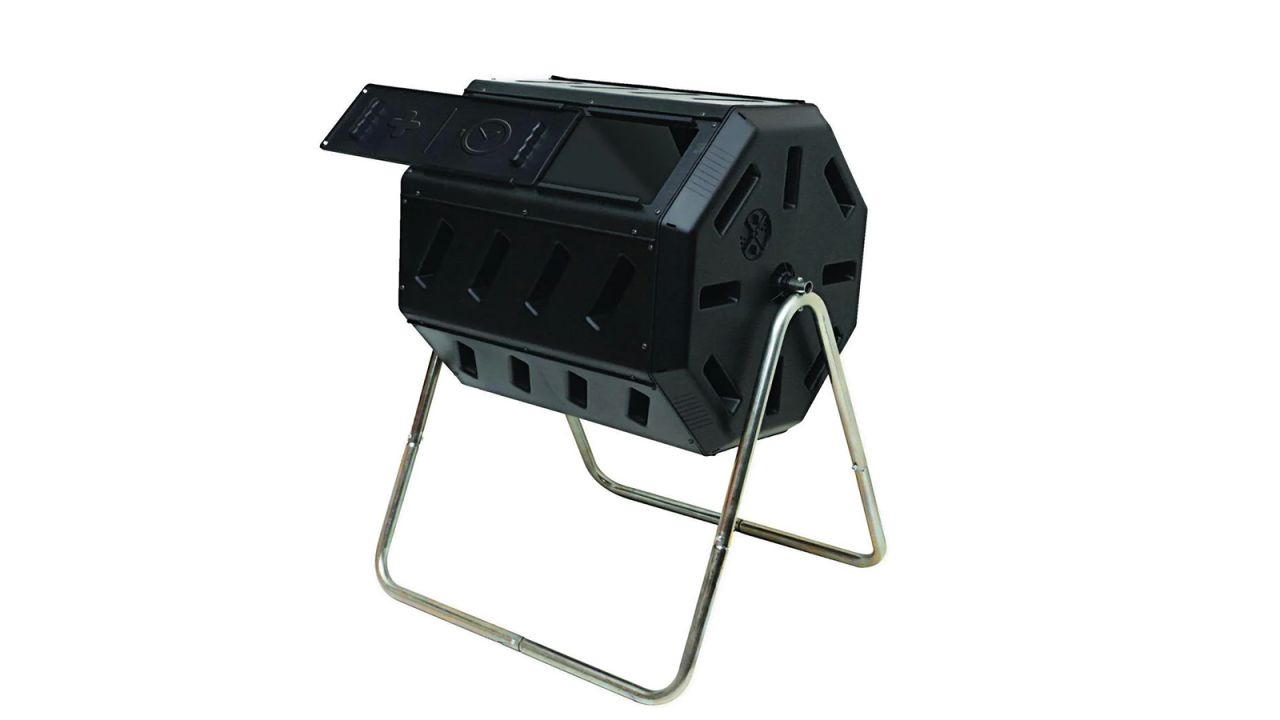
This tumbler also has two compartments so you can separate your new and old compost. Plus, it’s made from durable and UV-resistant plastic so it can withstand the elements.
Vivosun Outdoor Tumbling Composter Dual Rotating Batch Compost Bin
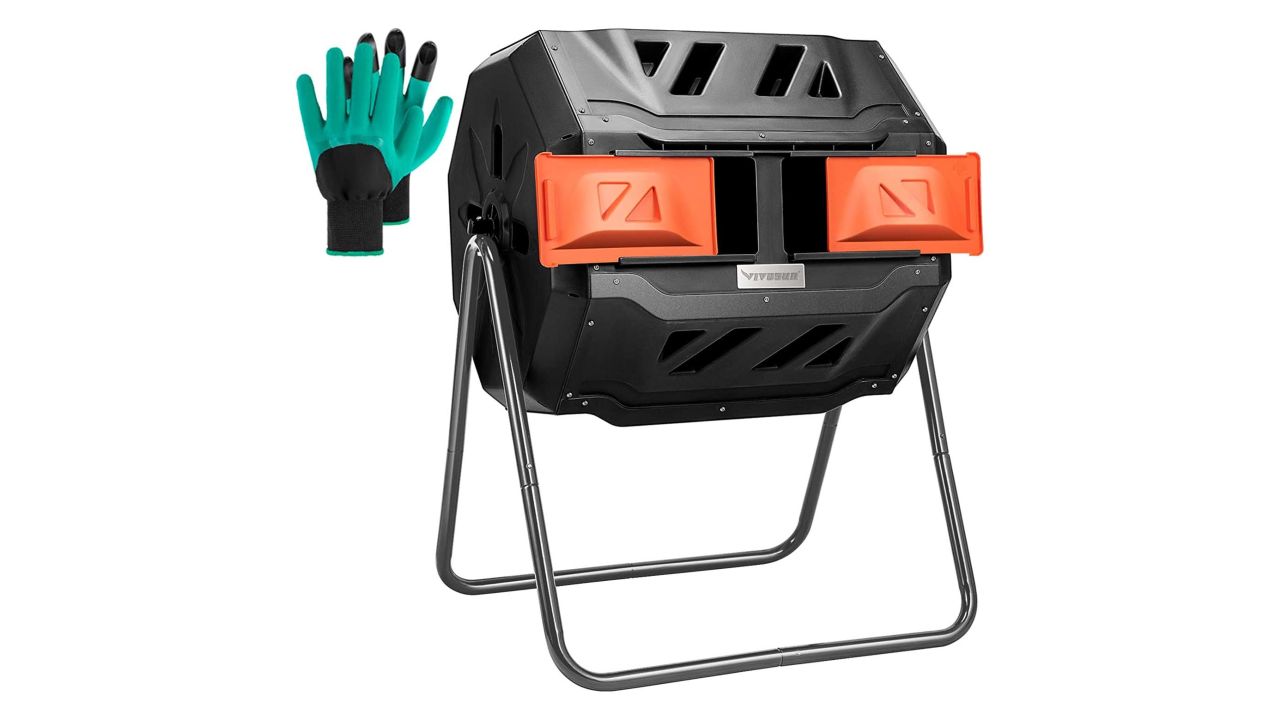
This tumbler has two sliding doors leading to separate compartments, making adding organic waste and removing finished compost a breeze. This bin also comes with a pair of gardening gloves so you can keep your hands clean when you’re managing your pile.
If you want an indoor system, the most common option is a worm bin, also known as vermicomposting, which is a contained ecosystem where “you are sort of like the overlord of thousands of worms and you very carefully feed them portions of food scraps,” says Louie. They live in a bedding of carbon-rich paper or cardboard, eat your food scraps and poop out nutrient- and microbially rich casting.
Portion control is critical to success when vermicomposting, says Louie. Oftentimes you’ll see statistics that composting worms can eat half their weight in scraps per day, but Louie warns that intake is at a worm’s peak performance, so you should start off slow with just a cup or two of food scraps, depending on how many worms you have. She recommends freezing the scraps, thawing them out again so you can drain the water, then feeding them to your worms. She says you should then wait for the food to be mostly gone before you feed again.
Worm Factory 360
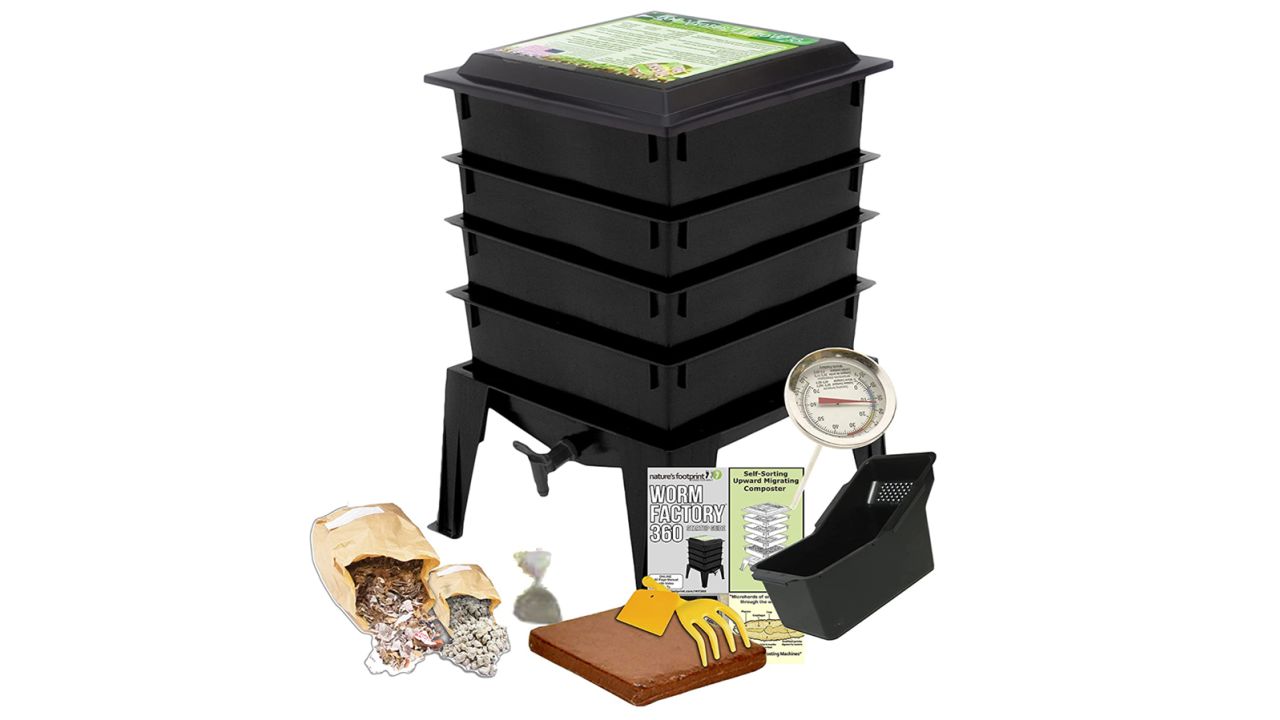
This large worm composter has four trays that can be expanded up to six. The worms will move up the trays to find more food, so as the bottom tray’s compost is finished, you can remove it and put it at the top of the stack, creating a loop system.
FCMP Outdoor Essential Living Composter
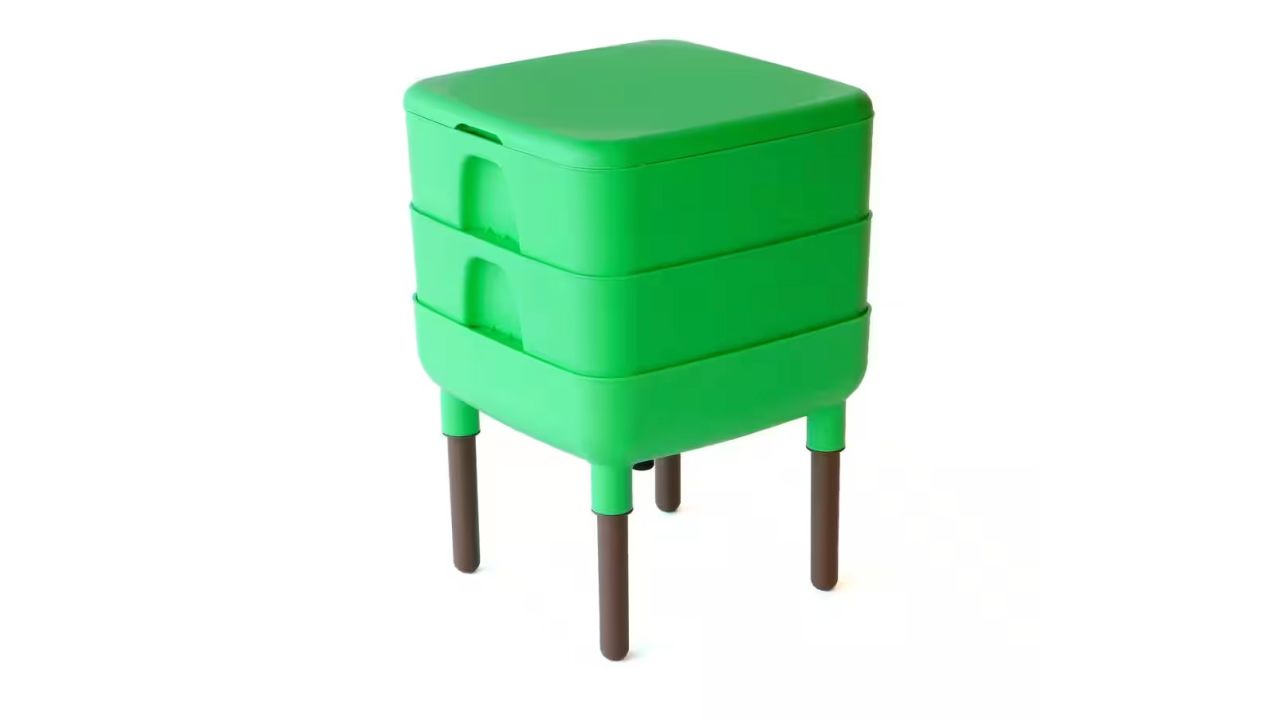
This 6-gallon option features three different levels and is available in four colors. Its small size makes it perfect for apartment composters.
Bokashi is a method that Louie says isn’t actually composting but rather “a process of fermenting organic food waste in an airtight container.” It’s a little different than other methods since normal composting is aerobic, but in short, bokashi uses a specific kind of fish flake to ferment food scraps in an airtight, anaerobic setting. The big difference between bokashi and normal compost is that you’re not done after you toss your food scraps into the bucket. With bokashi, once the waste is fermented you need to bury it in the ground so it can fully decompose. Although it’s a bit more work, Louie says bokashi is a great option because you can decompose all sorts of things that you wouldn’t be able to in normal compost like meat, bones, oils and candy.
I Kito 2-Gallon Food Grade Bucket With Easy Airtight Spin-Off and Spin-On Lid
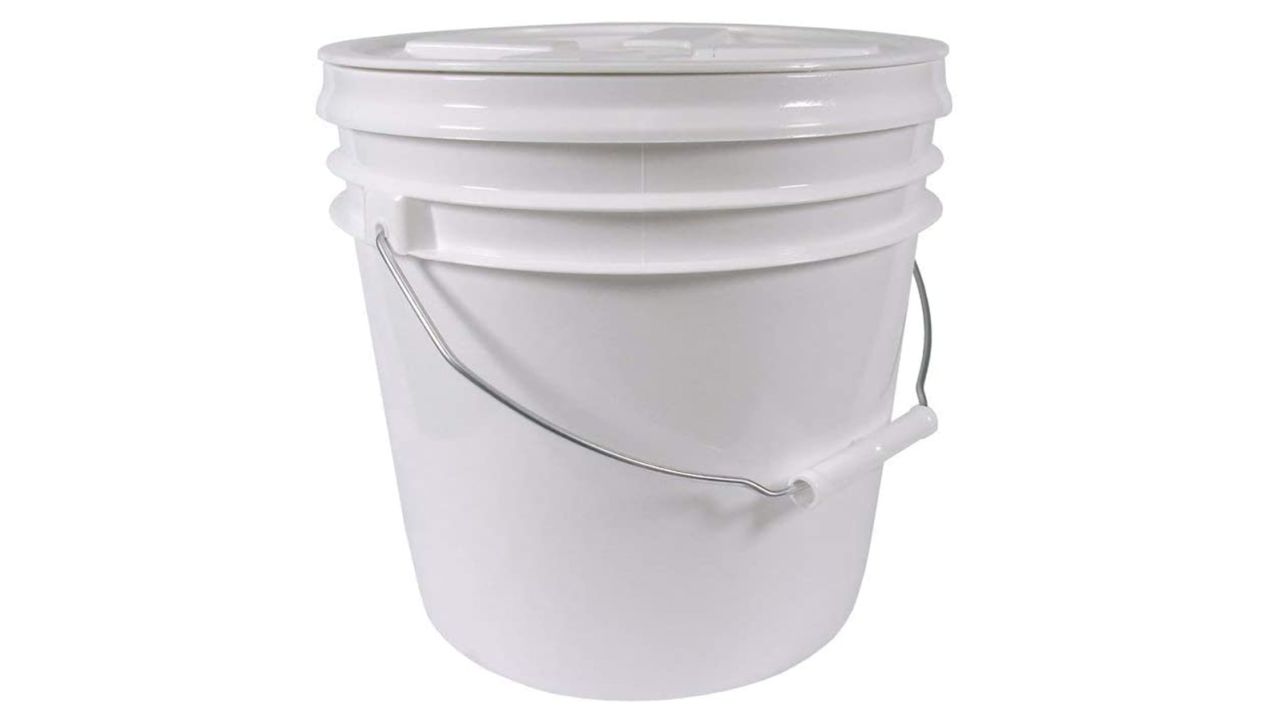
You can buy bokashi starter kits, but if you have a couple buckets and some time, you can easily make your own. The one thing you really have to do is create some sort of drainage system for your bokashi, which this tutorial does by drilling or cutting holes into a bucket, then tightly nesting it into another. Once that’s set up, simply add your food waste and bokashi flakes and let it work its magic.
All Seasons Bokashi Compost Starter
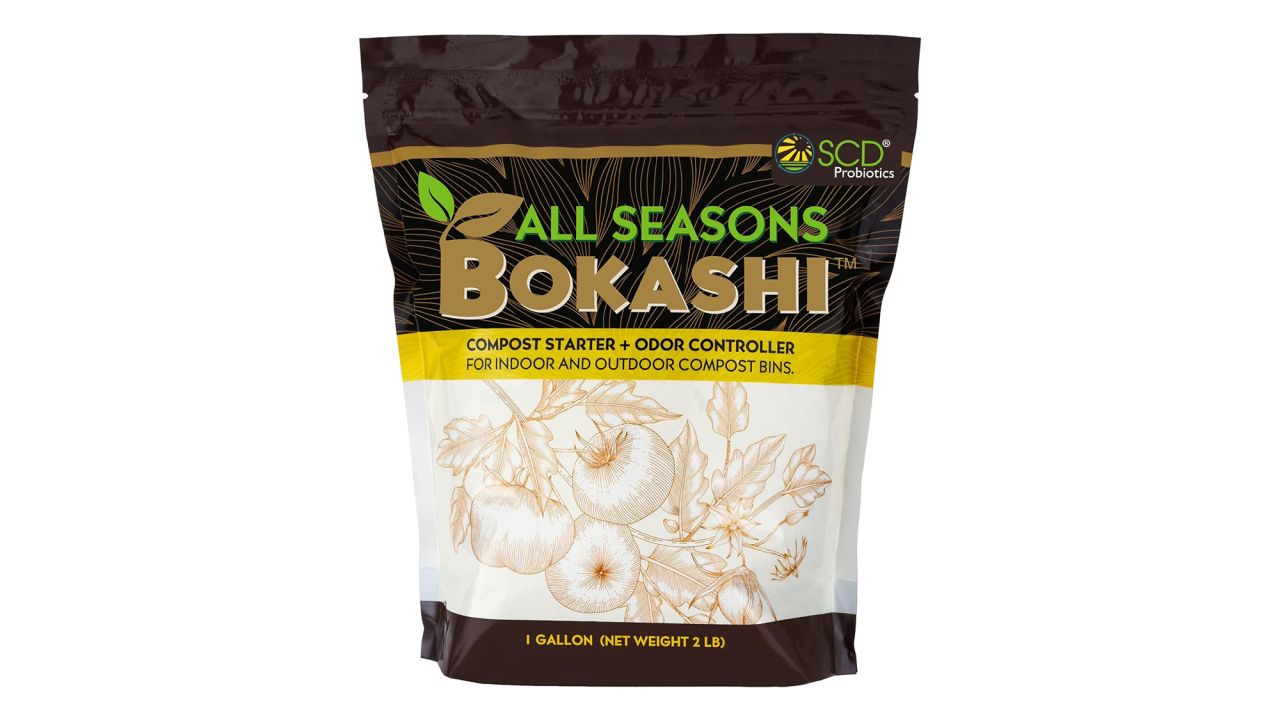
All Seasons bokashi flakes are available in 1-, 2- and 3-gallon portions so you can stock up on your composting needs. While bokashi flakes are easy to find online, if you want to save some money you can make your own if you’re feeling adventurous enough.
Maze Airtight Bokashi Composter Kit
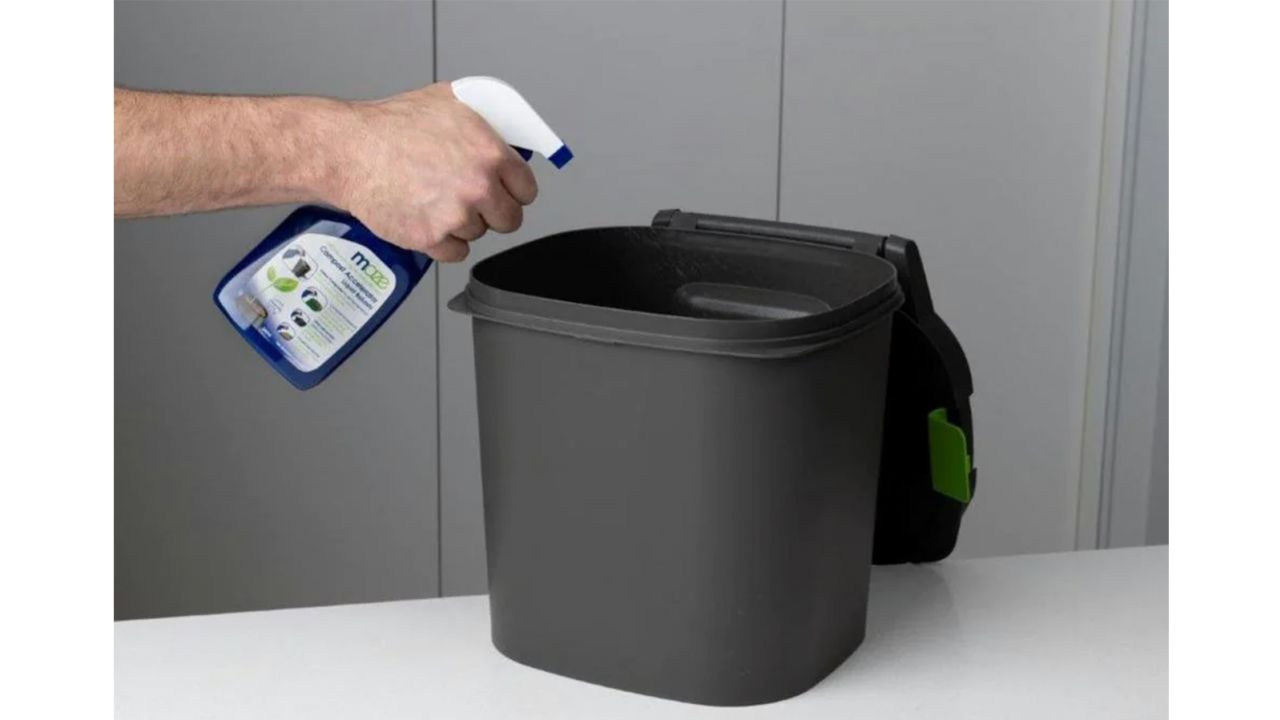
This starter kit from Maze includes an airtight bin that features a built-in tap to drain any unnecessary liquid and a liquid bokashi starter spray.
All Seasons Indoor Composter Starter Kit
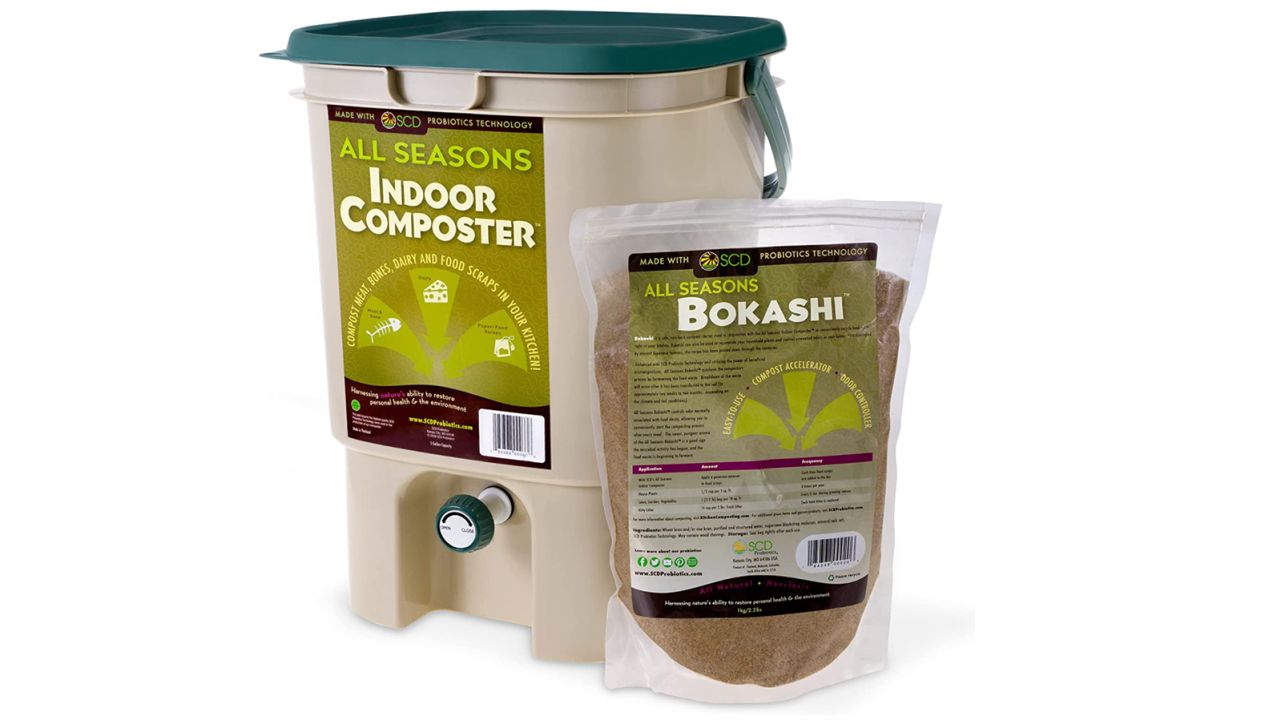
This kit also features an airtight bucket and a bag of bokashi flakes.
The last indoor options are countertop machines that rapidly dehydrate and churn your food scraps. They are expensive (this one from Lomi is $499) and depending on the machine you get, the final product might not actually be compost but rather a shrunken, dried-out version of your food that can then be put into a composter or sprinkled into your garden.
FoodCycler by Vitamix Eco 5
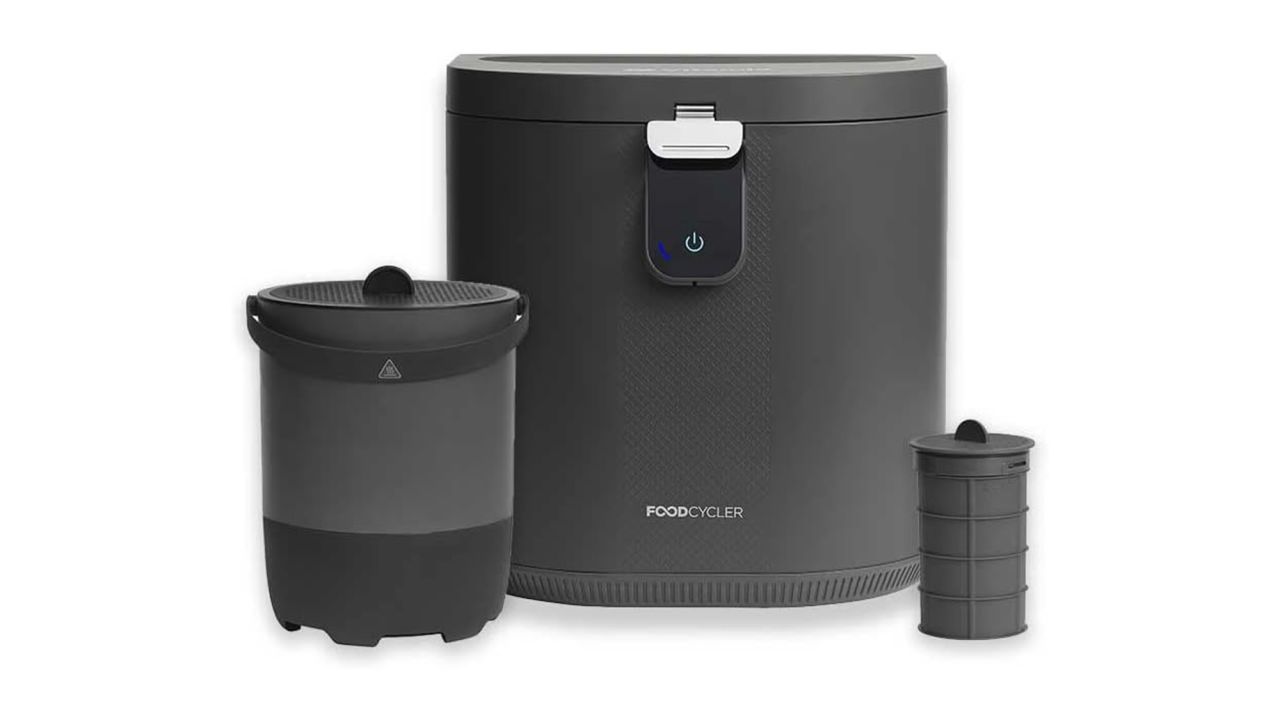
The FoodCycler by Vitamix Eco 5 is a powerful machine that rapidly dehydrates and chops up your food scraps. While the end product isn't quite compost, you can use it as a fertilizer when you mix it with soil.
Lomi Bloom
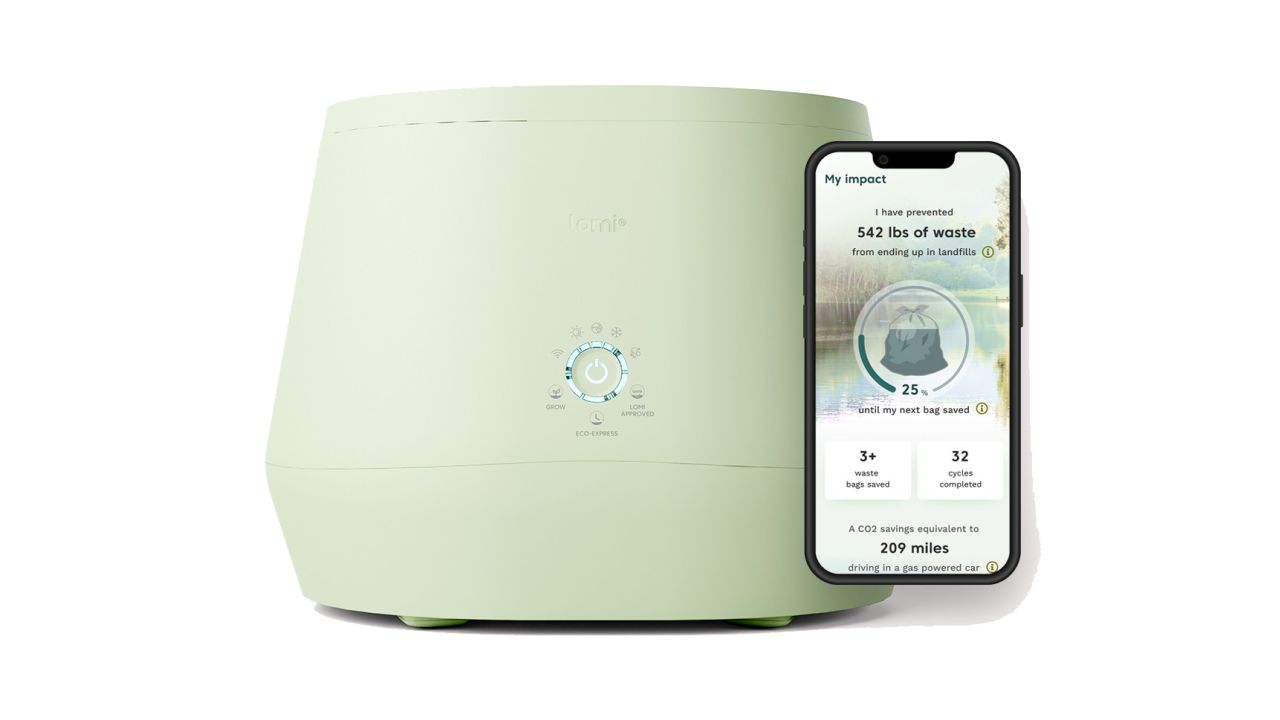
The Lomi Bloom is perfect for people who want to compost their scraps in a machine that looks good. Plus, with a more intense "Grow" mode, it can even break down compostable plastics, like Pela's phone cases.
There’s a little bit of debate about what can and cannot be composted, but it really depends on what type of composting you’re doing. “Everything will break down,” Louie says, “but ‘Should it break down in your system?’ is the question.”
In general, you can compost basically anything that was once living. “The items you can compost depends on your compost system,” says McKenna. “For my municipal compost system, the following items are accepted: houseplants and flowers, fruits and vegetables, paper towels and tissues, food scraps and coffee filters, grain products, dairy products, meat and bones, and paper soiled with food.”
Similarly, Lopez says most food waste is good to throw into your compost. “A short list of typical home composting inputs are fruit and veggie scraps, eggshells, coffee grounds, unbleached paper products, cardboard, newspaper clippings, yard trimmings and old flowers,” she says.
Other things you might not think to compost? “I would recommend also composting hair and fingernail clippings (both your own and pets),” says Greenfield.
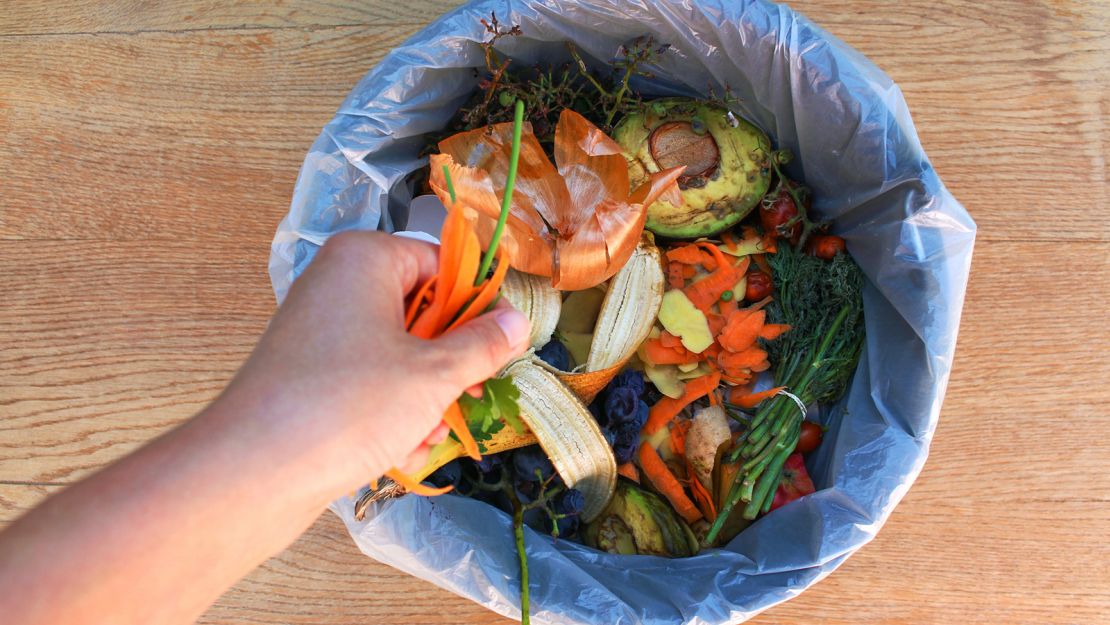
While you can compost a lot, there are definitely things you shouldn’t be throwing in your bin. Be sure to pick out any plastic packaging that might be on your food scraps like rubber bands or those pesky stickers on fruit.
In addition, Louie says depending on your system, it’s a good idea to avoid cooked foods, oils, salty materials and meats. This is because they either generate a lot of odor when they decompose, attract predators and pests, or are harmful to the worms and bacteria in your compost.
You might also be wondering about certain products you buy that say they are compostable. Before you throw it in your bin, carefully read the label because it might not actually be compostable in your system. “Compostable plastics are designed to decompose in industrial facilities at extremely high temperatures,” Lopez says. “Many paper-based products are often coated in a grease-resistant synthetic liner. Compostable plastics and paper products contain PFAS, a group of ‘forever chemicals’ that never fully break down and contaminate the environment, causing chronic health issues. Only products made from pure wood, bamboo, palm leaf or PLA do not have PFAS.”
Now that you’re ready to compost, you’ll probably want a few more supplies. Here’s a list of our favorite tools that will help you get the best compost possible.
“Compost City: Practical Composting Know-How for Small-Space Living” by Rebecca Louie
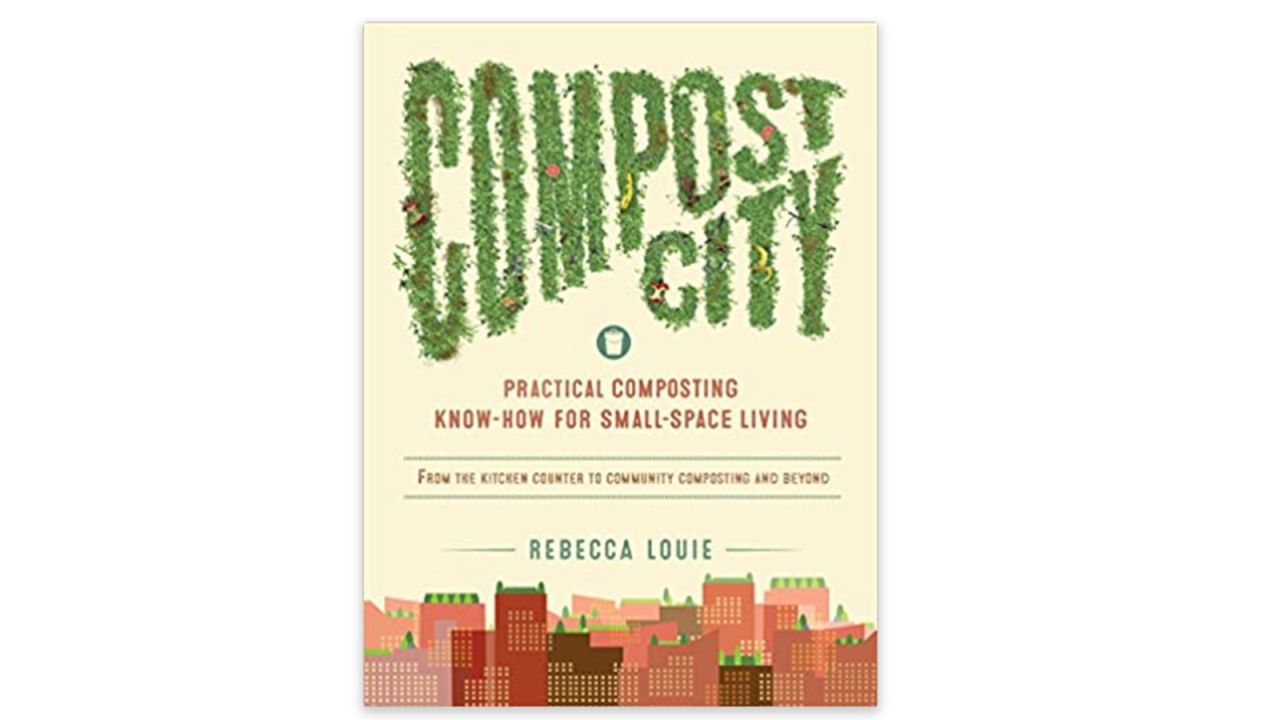
If you want to learn more from the Compostess herself, check out Louie’s book which explains all you need to know to successfully compost at home.
Utopia Kitchen Compost Bin
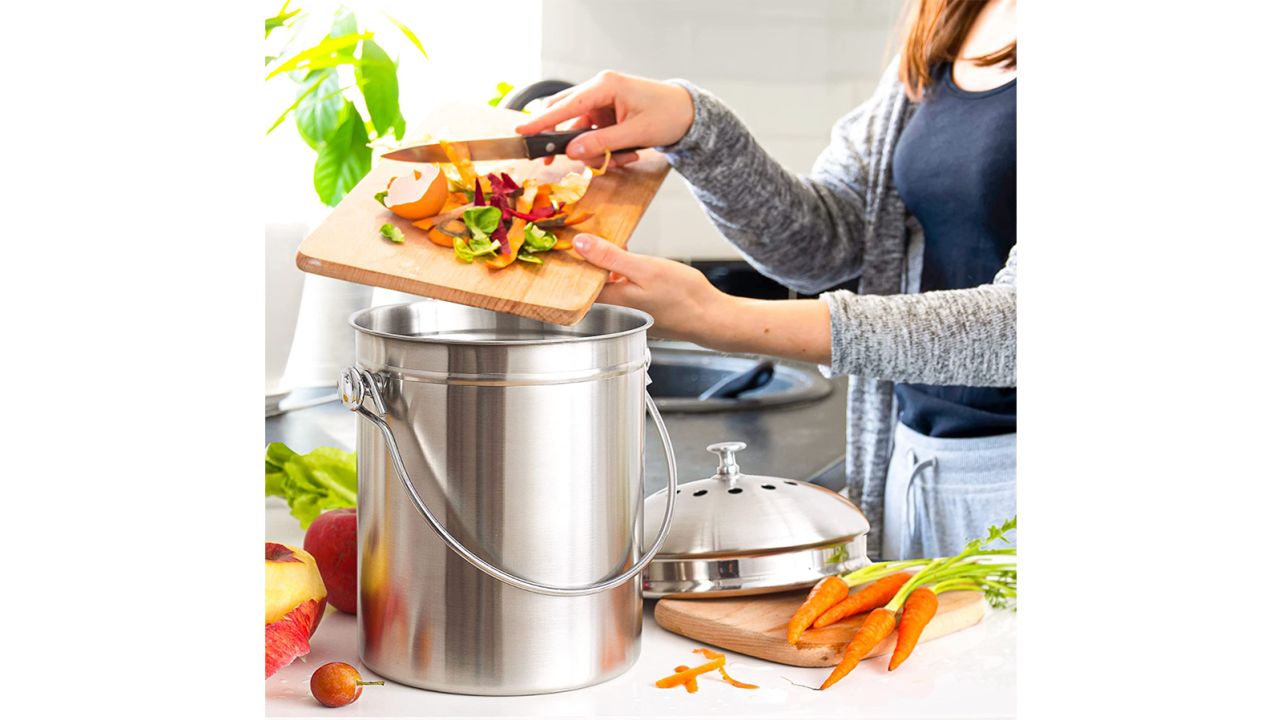
Easily collect your kitchen scraps in this handy bin. It features a charcoal filter so you won’t smell your food waste before you add it to your compost.
Tiyafuro 2.4-Gallon Kitchen Compost Bin
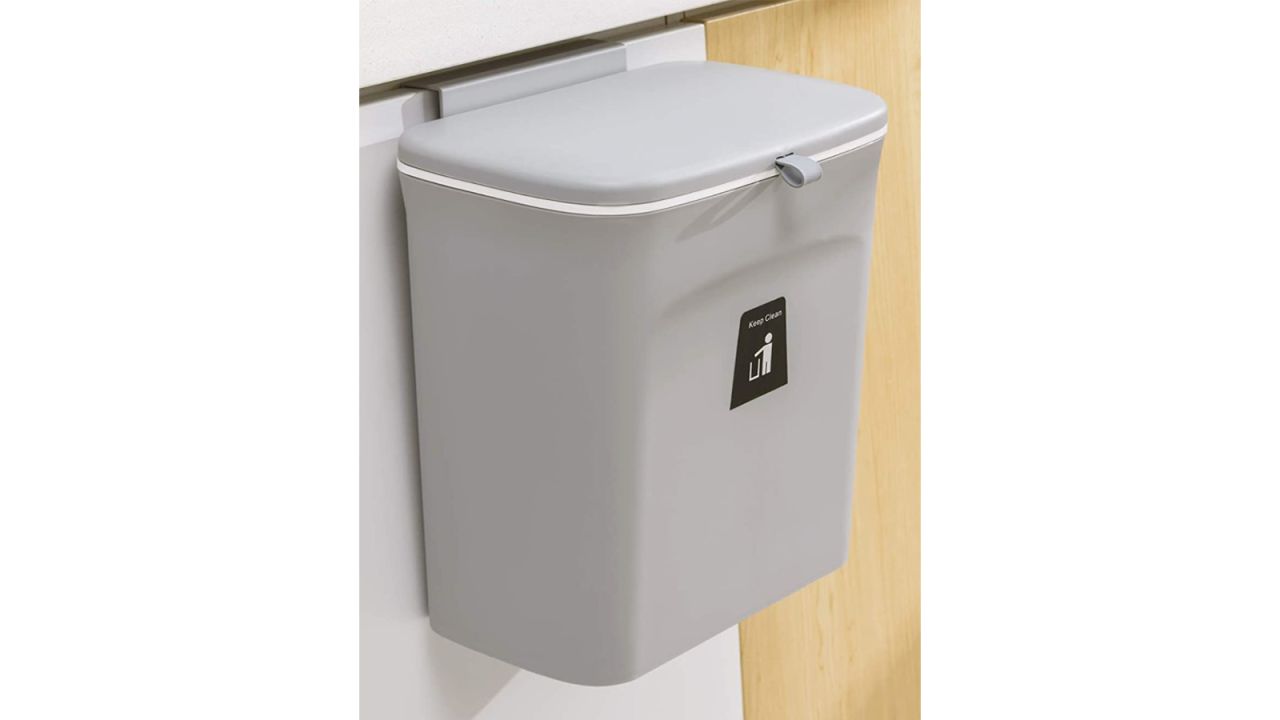
This compost bin can be mounted onto any cabinet or wall so you can save counter space.
Package Free Compost Bin Container
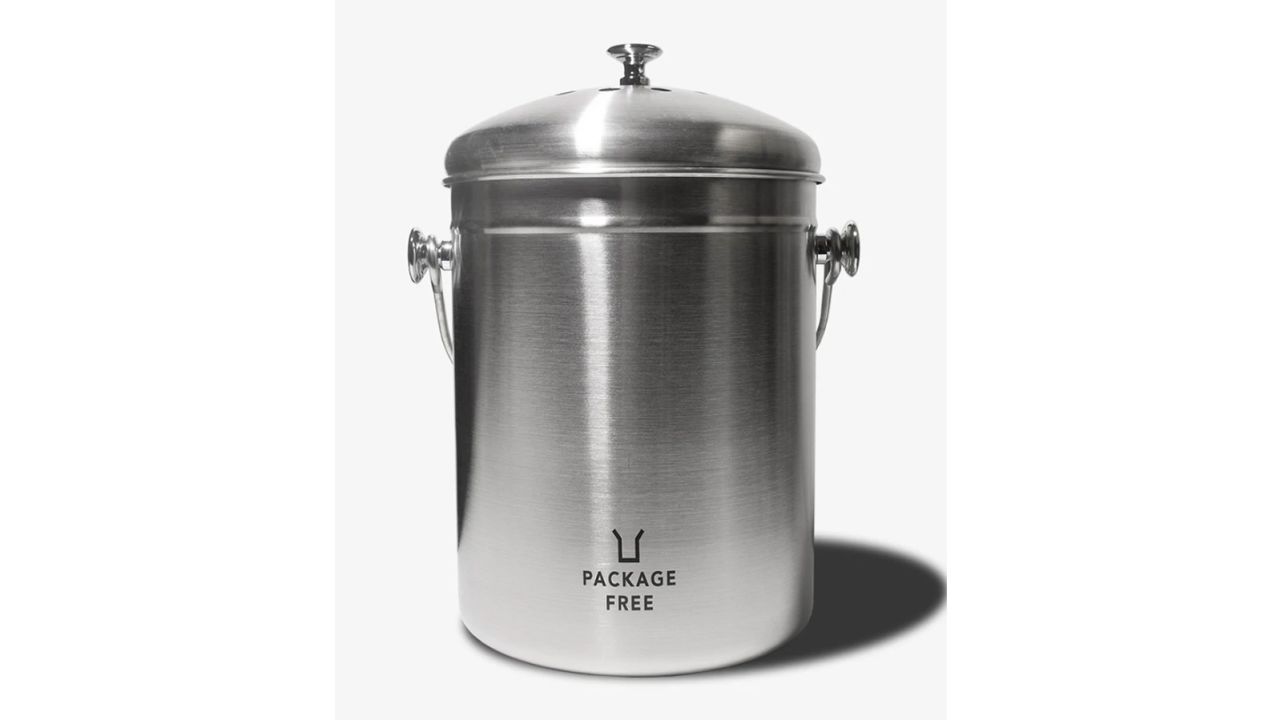
This option from Package Free also features a charcoal filter in its lid to keep any unwanted smells inside.
Package Free Compost Bin Container
This option from Package Free also features a charcoal filter in its lid to keep any unwanted smells inside.
Bamboozle Compost Bin
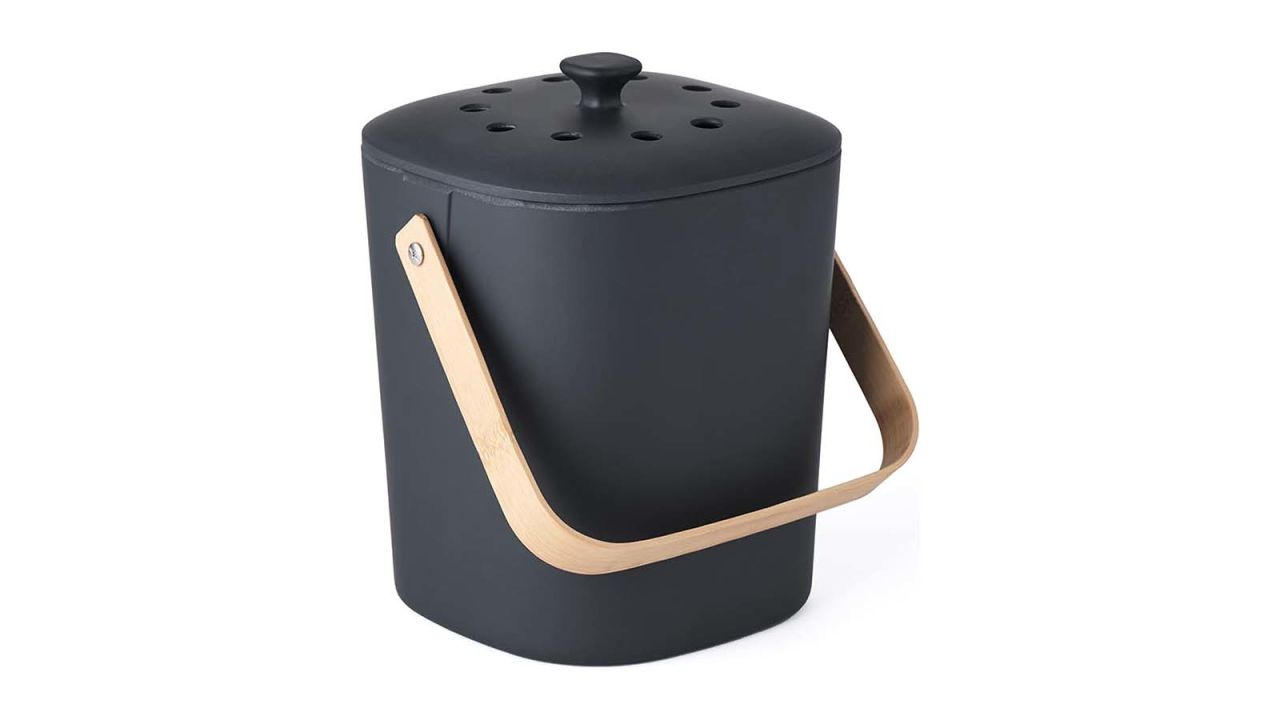
If you want a stylish compost bin, there’s no better option than this one from Bamboozle. It’s made from bamboo fiber and available in black and white. If you want an even more fashionable one, check out more color options at Food52.
Ashman Round Shovel
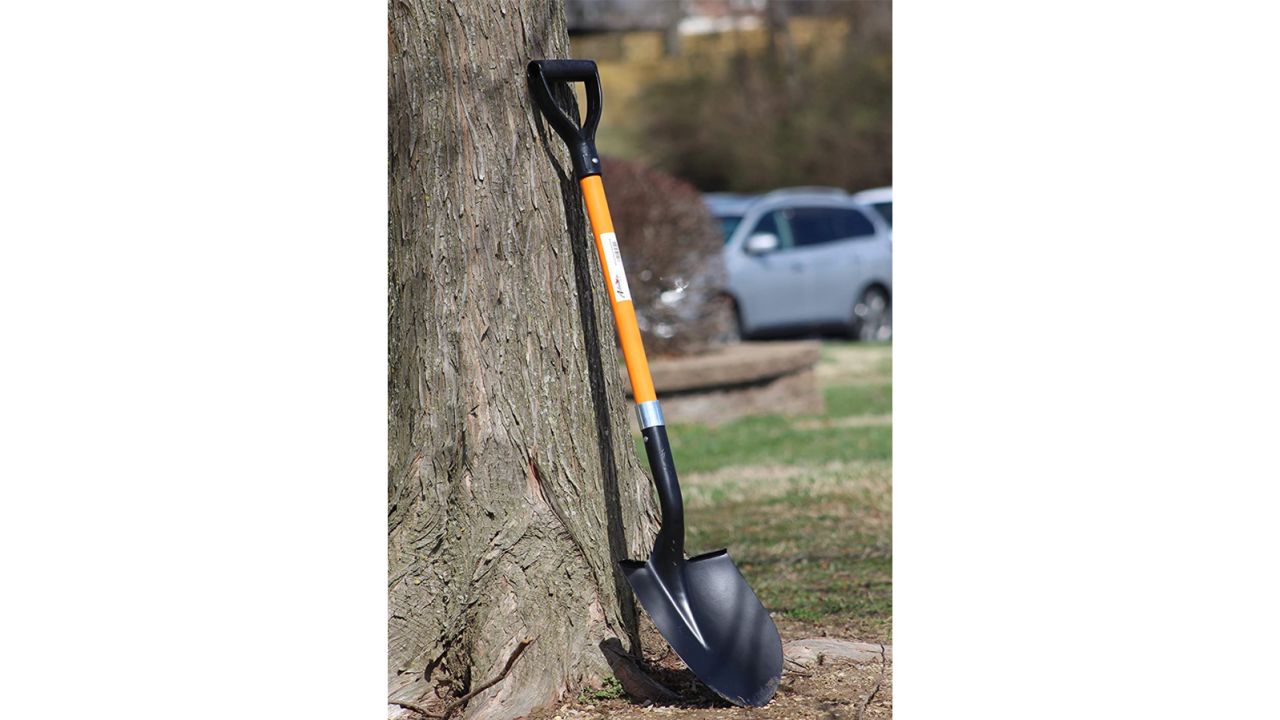
Whether you’re digging a hole or turning your pile, a shovel is a trusty tool to have around when composting. This one features a D-handle so you can easily grip it.
Mr. Pen Pruning Shears
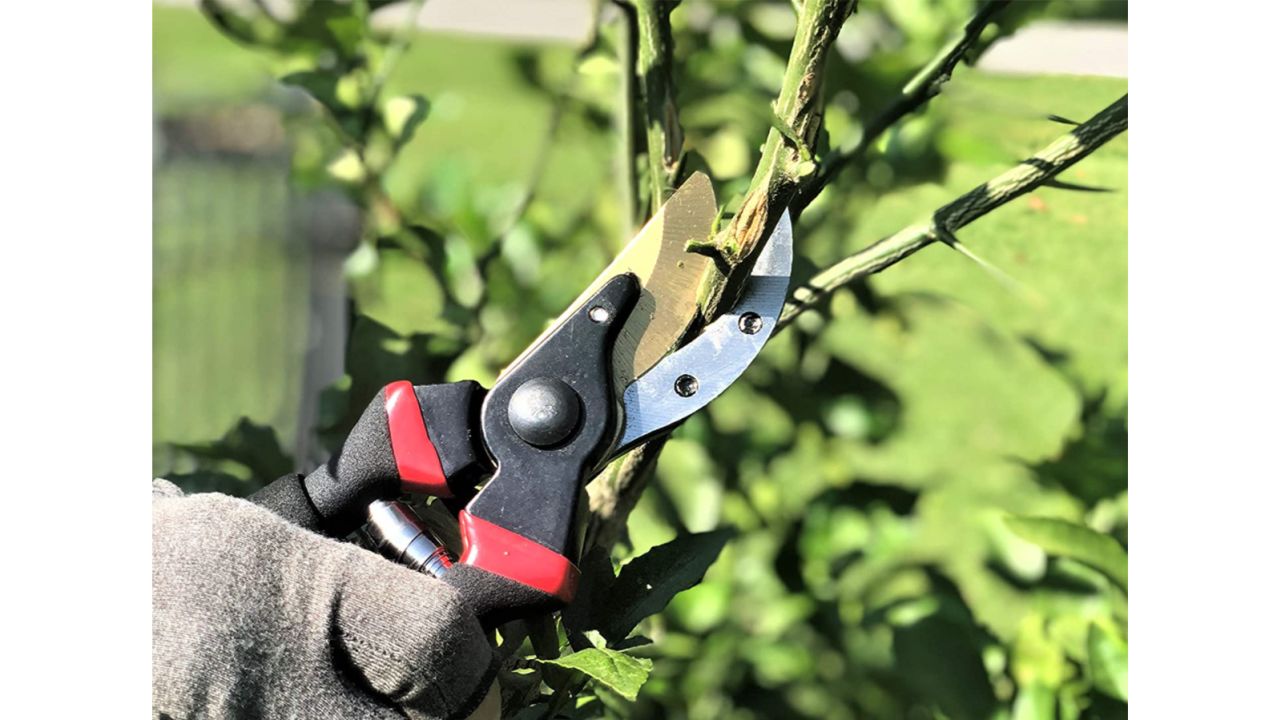
Garden shears are helpful for breaking down lawn trimmings before you toss them into your compost.