By
/ CBS News
As privacy concerns swirl over Flock Safety's nationwide network of cameras, drivers may be curious whether their license plate information is being tracked. The website HaveIBeenFlocked.com has compiled a database to provide the public with some answers.
Through the website's portal, people can enter their license number to see whether it has been searched in Flock's system.
As the website notes, the results show what Flock's customers — which include police agencies, local communities, schools and businesses — have searched for, but not the individual license plates captured by Flock's cameras.
"The license plates and search reasons are what someone manually entered into the system," the website says.
According to its website, HaveIBeenFlocked is an independent project that receives financial support from the Alternative Newsweekly Foundation (ANF), a nonprofit that supports watchdog journalism. HaveIBeenFlocked says the project's long-term goal is to operate as a nonprofit.
The administrators for the site did not immediately respond to a request for comment.
HaveIBeenFlocked says its data is sourced from "audit logs" of searches on Flock's system that have been made public. The database includes more than 4.6 million license plate records that have appeared in roughly 242 million Flock searches.
After a user inputs the plate number, the lookup tool will inform them whether it has been searched. The website then discards the data entered, according to its FAQs.
"This website does not save, store, or log the license plate numbers or search terms you enter," the site says.
Similar projects have emerged to raise awareness about where Flock operates. One tool, called DeFlock, collects the locations of Flock's automated license plate readers reported by volunteers and documents them on a searchable map.
Flock did not immediately respond to a request for comment.
Search shortcomings
To be sure, HaveIBeenFlocked has some limitations: As the site notes, the service is not a real-time monitoring tool.
"There can be a significant delay — months or even years — between when a search occurs and when it appears on this website," the site says.
The database is also incomplete, with the site noting that it has limited access to audit logs, and those it does obtain may be redacted.
HaveIBeenFlocked said it aggregates the logs from public records requests and transparency portals, where local governments sometimes post the information.
Flock controversy
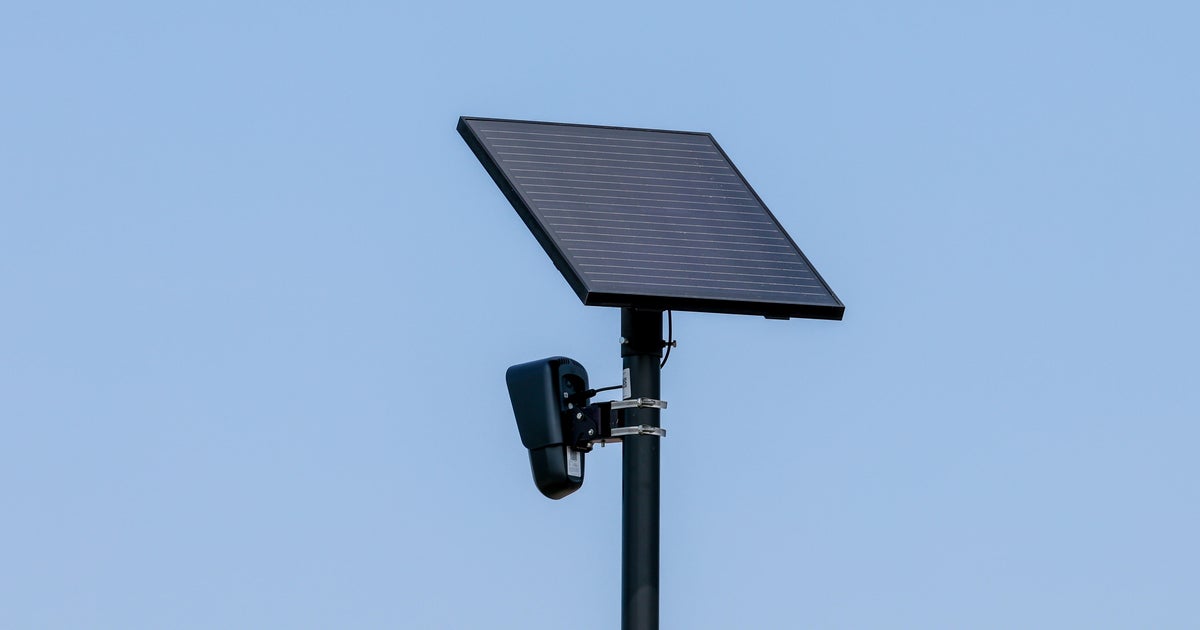
Flock operates a network of cameras across the country that capture license plates and vehicle information, such as make and color. It then provides that data to its customers, which include law enforcement agencies. Police who use the system say it can help them track down suspects, stolen cars and missing people.
However, the company has come under fire recently after law enforcement officers were accused of misusing Flock's camera system. According to a Washington Post report, 46 officers have been charged or accused of using the technology for "unauthorized purposes," in some instances to allegedly stalk women.
In response, Garrett Langley, the founder and CEO of Flock, apologized and said the company was rolling out changes to prevent misuse of data obtained from Flock cameras.
Langley told CBS News' Anna Schecter in an interview last week that some of the surveillance concerns people have are based on "misinformation" about what Flock tracks. The company does not track cellphones or use facial recognition as some have claimed, he said.
"There is the misinformation bucket, and then there's real questions," he said.
Edited by Aimee Picchi
In:
Growing backlash amid privacy concerns over Flock cameras
(02:22)