By
Megan Cerullo
Reporter, MoneyWatch
Megan Cerullo is a New York-based reporter for CBS MoneyWatch covering small business, workplace, health care, consumer spending and personal finance topics. She regularly appears on CBS News 24/7 to discuss her reporting.
/ CBS News
As much of the U.S. swelters through near-record temperatures over the July 4 weekend, households can expect another unpleasant surprise: higher electric bills. Cooling costs are projected to rise 10.5% this summer from a year ago, according to the National Energy Assistance Directors Association.
Many Americans face a tough choice between cranking up the air conditioning and keeping their utility bills in check. The cost of electricity has been rising faster than overall inflation over the past few years, according to NEADA. Data center energy consumption, higher national gas prices and necessary repairs to the electric grid are pushing up electricity costs.
Still, there are techniques for balancing AC use with energy efficiency, the group said.
"There's nothing people can do about the price of electricity," energy economist Mark Wolfe, the executive director of NEADA, told CBS News. "But they can manage their electric consumption more efficiently."
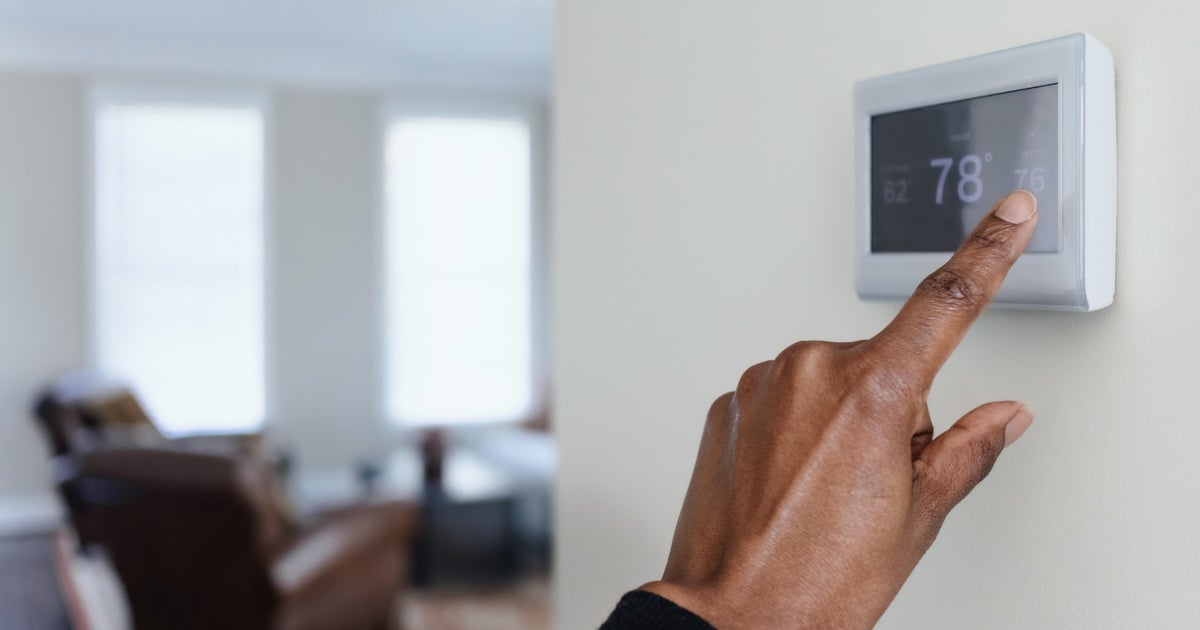
While using less air conditioning can lower utility bills, Wolfe cautions against making abrupt changes. Instead, he recommends raising the thermostat gradually — about one degree every couple of days — until it reaches no higher than 78 degrees Fahrenheit.
"For every one degree you turn your cooling up, you can save 3% on your electric bill," Wolfe said.
He recommends changing the temperature by one degree every couple of days over a period of a week or two.
How high can you go?
Temperatures across the Northeast are approaching record highs, with more than 185 million people under heat alerts Friday, including residents of major cities such as Boston, New York City, Philadelphia and Washington, D.C., according to the National Weather Service.
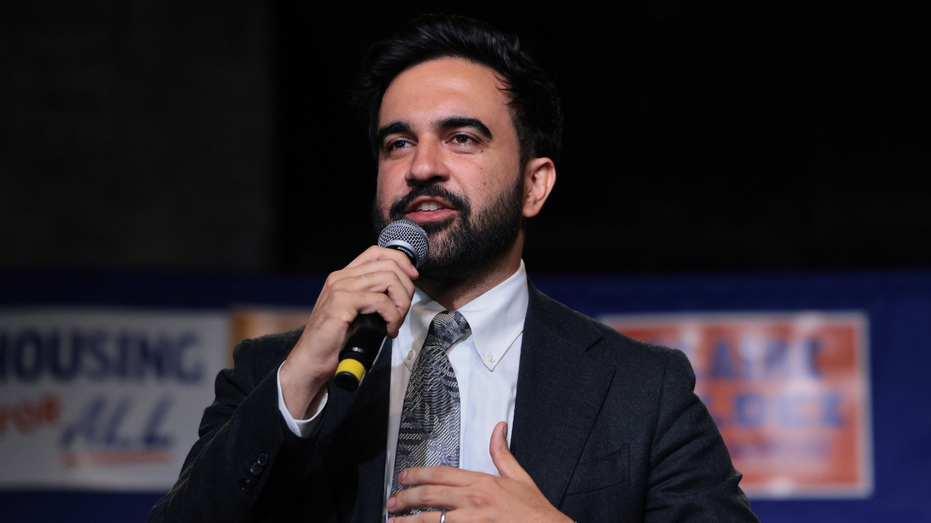
New York City Mayor Zohran Mamdani urged New Yorkers in a social media post this week to set their air conditioners at 78 degrees Fahrenheit to alleviate pressure on the power grid.
He also asked residents to turn off unused lights and electronic devices and unplug any non-essential equipment, while adding that the city is also "maintaining the 78 degrees rule" in its buildings and dimming lights when possible.
Wolfe said 78 degrees is the highest thermostat setting that he recommends, noting that it is "at the upper end of comfort" for most people. He added that people can set the temperature higher when they are away from their homes, and then turn it lower when they return.
Close shades, tune up your AC
Keep the sun from heating your home by pulling down window blinds, shades or shutters during the hottest times of day, Wolfe recommends.
"Blocking direct sunlight can significantly reduce indoor temperatures," he said.
It's also important to maintain your AC unit. Repairing a cooling system and maintaining it regularly uses less electricity than an unserviced one.
"Repairs and replacements are expensive, but because the cost of electricity is so high, it pays back faster," Wolfe said.
Edited by Aimee Picchi
In:
Eye Opener: Heat impact on July Fourth
Eye Opener: Brutal heat wave drags into July Fourth holiday weekend
(01:46)