By
/ CBS News
The Justice Department announced Wednesday that it had filed lawsuits against two states for what the DOJ alleged are "unconstitutional" restrictions on sales of certain types of guns.
In Virginia, the DOJ targeted a law that banned the sale of automatic weapons. In California, the DOJ is suing over a newly-enacted law that restricts the sale of some firearms with a trigger that could be modified into a "machinegun-convertible pistol." The California law went into effect on July 1.
In a statement, acting U.S. attorney general saying "the Constitution is not a suggestion" and that "the Second Amendment is a sacred right belonging to all Americans."
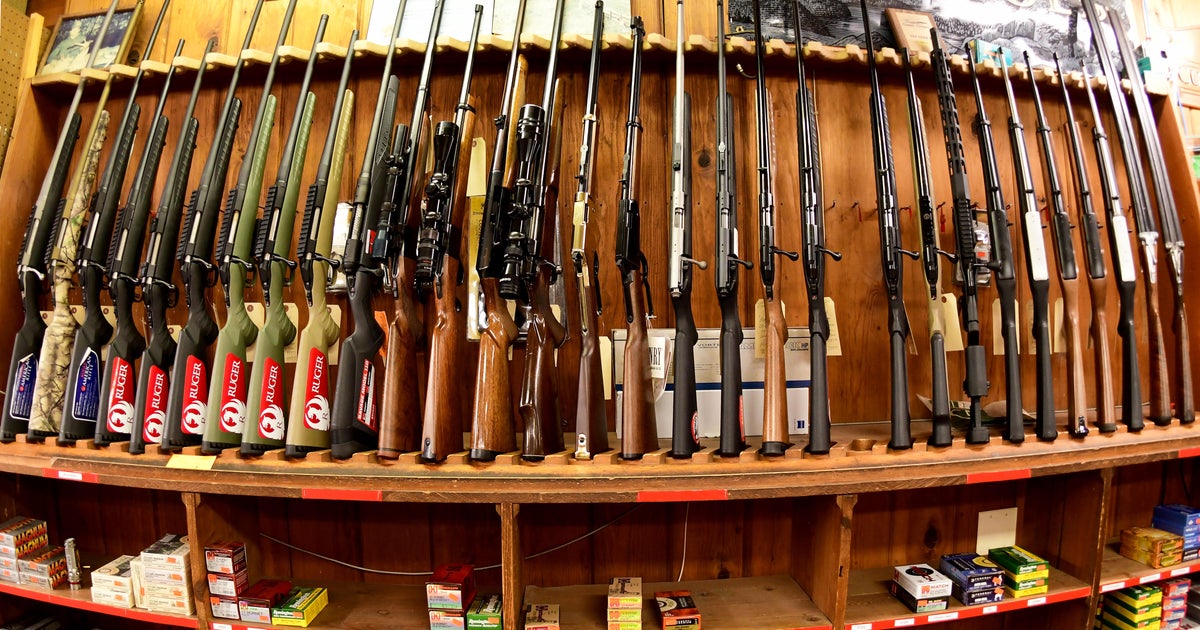
The DOJ said its Virginia suit — which is against both the state and the state police — alleges that a new law "unconstitutionally bans the purchase and sale of ordinary semi-automatic rifles owned by millions of Americans."
"The Virginia law makes the commercial purchase of AR-15-style rifles a crime," the DOJ said in a news release. "The AR-15 rifle is the most popular rifle in America. Virginia's enforcement of the new ban is a pattern or practice of conduct by the commonwealth's law enforcement officers that deprives the citizens of Virginia of their constitutional right to buy and sell arms protected by the Second Amendment."
The DOJ said in a separate news release that its suit against California seeks to halt the state's Glock ban and prevent enforcement of California's "Handgun Roster," which limits what legal firearms can be legally purchased. It characterized both the ban and the roster as unlawful.
"The Second Amendment is a sacred right belonging to all Americans, even those in California," said acting Attorney General Todd Blanche in a statement.
The announcements come one day after the Supreme Court said it will consider in the next term whether the Second Amendment guarantees the right to have AR-15-style rifles.
In two separate rulings last month, the Supreme Court struck down a law in Hawaii that restricted guns on private property that was open to the public and high court sided with a Texas man who challenged the federal ban that barred certain drug users from having firearms.