We may receive commissions from some links to products on this page. Promotions are subject to availability and retailer terms.
By
/ CBS News
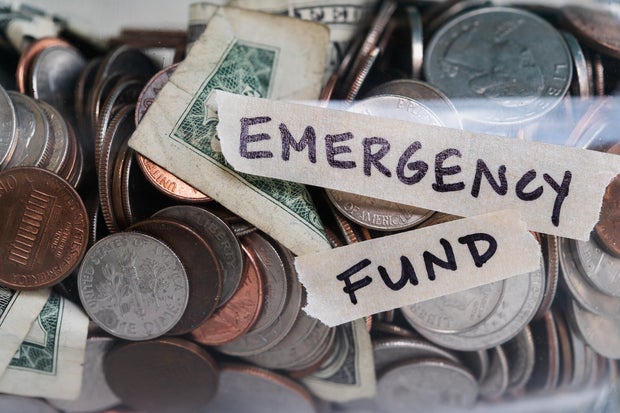
It's always important to have a robust and accessible emergency fund. But in the economic climate many Americans find themselves in now, it's arguably even more so. With inflation recently rising to its highest level since April 2023, wages lagging and the potential for an interest rate hike elevated courtesy of the Federal Reserve, it's worth revisiting your emergency fund location. And, if you don't have one, it's especially important to get started on building one right away.
Building an adequate fund that will cover three to six months of expenses, however, takes time, patience and extra money. Those may be three components many find lacking right now, especially if they're already dealing with high-rate credit card debt or elevated interest rates on their personal loans or mortgages. Fortunately, there is a way to build this fund and, ironically, it may be by leveraging one you already own. Below, we'll detail three ways in which you can access the safety net you need right now.
Speak with a loan specialist at AmeriSave to see how you can access extra funding now.
How to build an emergency fund from the safety net you already own
With home equity levels hitting a record high in the United States in 2025 and the average homeowner in possession of hundreds of thousands of dollars worth of equity now, one of the best ways to quickly and effectively build your emergency fund is to leverage the home you already own. Here are two simple but effective ways to do just that:
Home equity loans
With an average interest rate of just 6.98% right now, a home equity loan isn't just the cheapest way to borrow equity; it's also one of the least expensive ways to borrow money overall. And with these funds being delivered as a lump sum, it can easily function as your emergency fund to cover expenses both large and small.
That said, because the money is provided upfront, you'll be expected to make repayments immediately. It's also important to only withdraw the amount you need – not the full amount you're eligible to borrow – as your home functions as collateral in these exchanges. If you can balance both concerns, however, this could be one of the very best ways to finance your emergency fund now.
Get started with a home equity loan with AmeriSave online now.
HELOCs
A home equity line of credit (HELOC) functions much the same way a home equity loan does, but instead of the lump sum up front, borrowers will gain access to their equity as a revolving line of credit. This can also function well as an emergency fund, perhaps even better than a home equity loan can, because the money will only need to be repaid if used. If you don't know how much you'll need – or if you'll even need any emergency funds at all – then you won't be responsible for repayments.
Even then, many HELOC lenders require interest-only payments during the initial draw period before full repayments are due later on. So, if you don't technically need money for an emergency immediately, but want to have a backup ready that can be more cost-effective than a credit card, a HELOC can make a lot of sense for homeowners in today's economic environment.
The bottom line
Both home equity loans and HELOCs can perform well as an emergency fund in today's uneven economic terrain. Those in need of extra money or who are concerned they will need financing in the near future are encouraged to review both of these options carefully. While either product will leverage your home's equity, the low interest rates these products come with, the repayment structure they're known for, and the ease of access qualified homeowners will encounter make them viable ways to start financing your emergency fund right away, allowing you to then refocus on the other components of your financial health.
Edited by Angelica Leicht