The 6-3 ruling reaffirms more than a century of legal precedent.
June 30, 2026, 10:56 AM
The Supreme Court on Tuesday rejected President Donald Trump's attempt to end birthright citizenship in the U.S. by executive order, reaffirming in a 6-3 ruling more than a century of legal precedent and national tradition that babies born on American soil are automatically American citizens.
The decision is a blow to Trump, who had lobbied the court to uphold his Day 1 order and attended oral arguments in the case, becoming the first sitting president to do so.
Trump had argued that children born to unlawful immigrants and temporary visitors, like tourists and foreign students, do not qualify for citizenship under terms of the 14th Amendment, which was enacted after the Civil War to address the status of former slaves and their descendants.
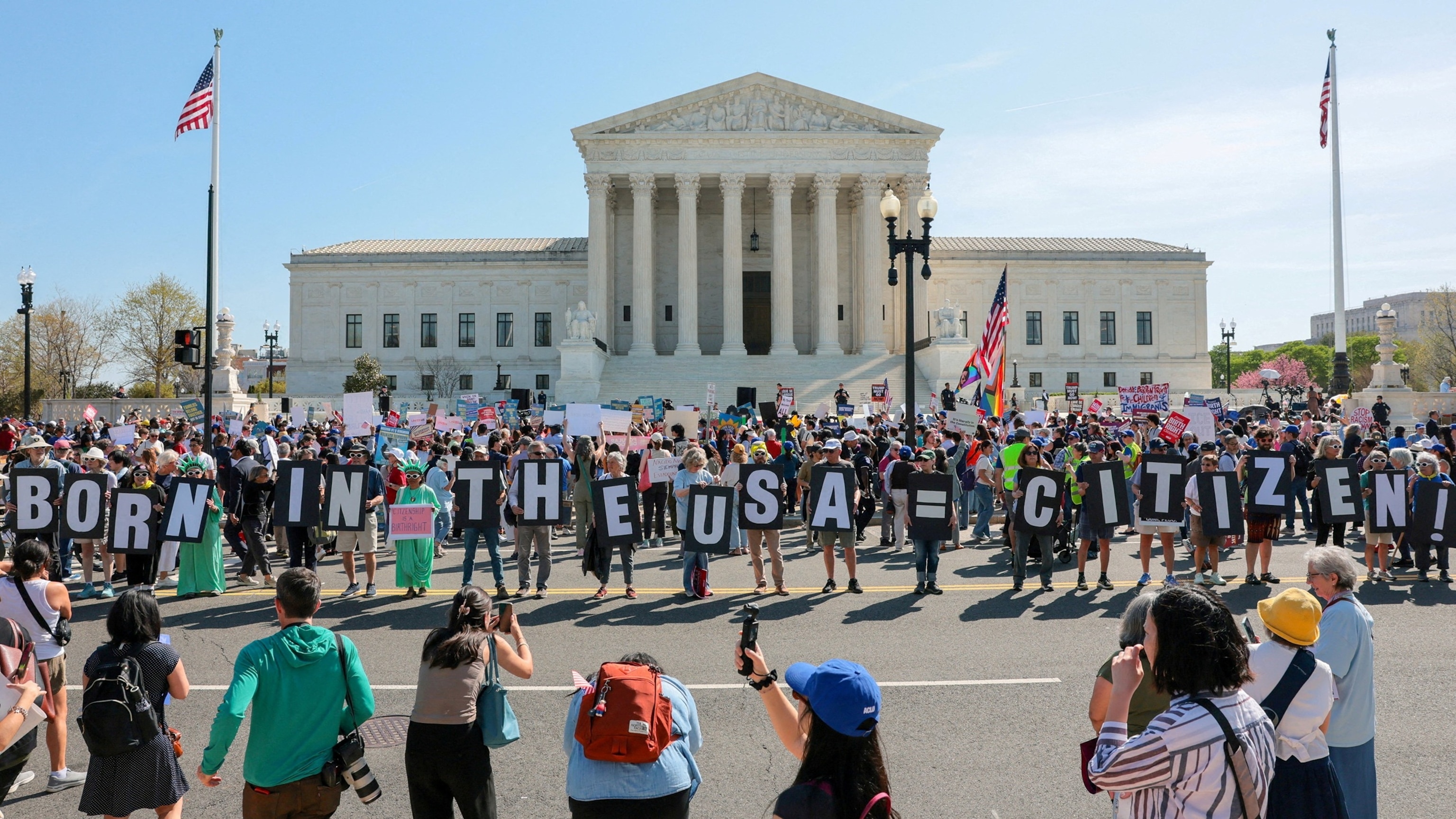
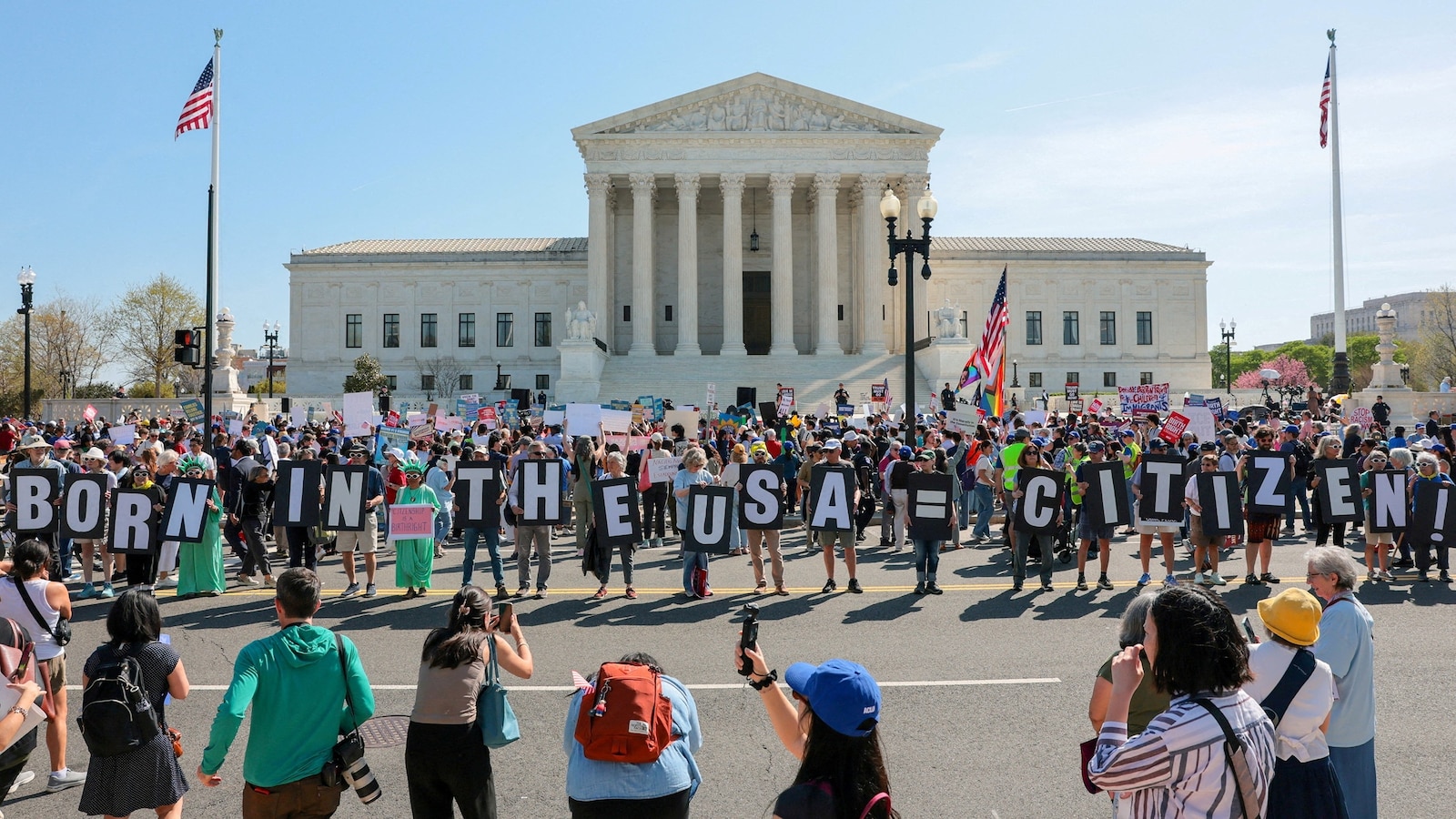
Demonstrators hold letters making up the slogan "Born in the USA = citizen!" outside the U.S. Supreme Court building in Washington, April 1, 2026.
Kylie Cooper/Reuters, FILES
Immigrant advocates and civil liberties groups opposing the policy change warned that it would harm hundreds of thousands of children born every year to non-citizen parents and create a bureaucratic nightmare for older Americans, who would no longer be able to prove citizenship simply with a birth certificate.
An estimated 255,000 children born every year to non-citizen parents would have lost legal status under the order, according to the Migration Policy Institute. Some may have faced difficulty establishing citizenship in any country, effectively being born as "stateless."
Every lower court to have considered Trump's unprecedented order deemed it unlawful, issuing injunctions to put it on hold. The high court's decision preserves the status quo.
Popular Reads
The 14th Amendment, which was ratified in 1868, says all "persons born or naturalized in the U.S. and subject to the jurisdiction thereof" are citizens. Congress later codified the same language in federal citizenship law in 1940.
The administration insisted children born to parents who are not American citizens or legal permanent residents are not "subject to the jurisdiction" of the U.S. because they still owe political "allegiance" to a foreign nation.
The Supreme Court previously rejected that argument in 1898.
"The [14th] Amendment, in clear words and in manifest intent, includes the children born, within the territory of the United States, of all other persons, of whatever race or color, domiciled within the United States," wrote Justice Horace Gray in the landmark Wong Kim Ark v. U.S. decision, addressing the status of children born to noncitizens.
This is a developing story. Please check back for updates.