Details revealed about the US-Iran memorandum of understanding
The U.S. and Iran signed a memorandum of understanding, outlining a 60-day period for Iran to comply with nuclear program disposal in exchange for sanctions relief and access to frozen funds. President Donald Trump warned of military action if Iran misbehaves, while Fox News correspondent Trey Yingst and Middle East Forum strategist Jim Hanson analyze the deal's performance-based conditions and the regime's economic and military future.
NEWYou can now listen to Fox News articles!
The Trump administration's new framework with Iran grants Tehran immediate oil sanctions waivers while postponing the most consequential nuclear questions for future negotiations, a gamble officials acknowledge carries risks because they expect Iran may not comply.
"We come in with the full expectation that they will lie and they will cheat," one senior U.S. official said on a call with reporters Wednesday, arguing that any final agreement would require a verification and enforcement mechanism capable of detecting violations.
The agreement, which establishes a 60-day negotiating period, rests on a bet that Iran can be deterred from violating its commitments through monitoring and enforcement. Administration officials say any sanctions waivers can be clawed back if Iran fails to comply, while critics argue the U.S. is giving up leverage before the toughest nuclear issues have been resolved.
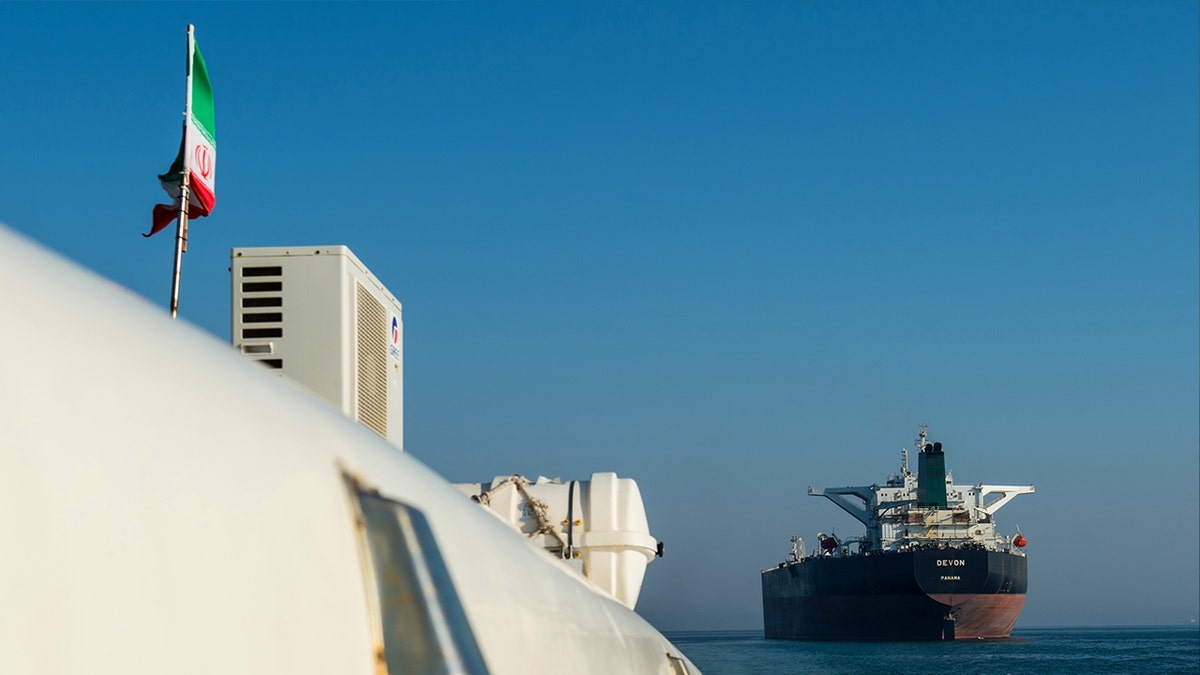
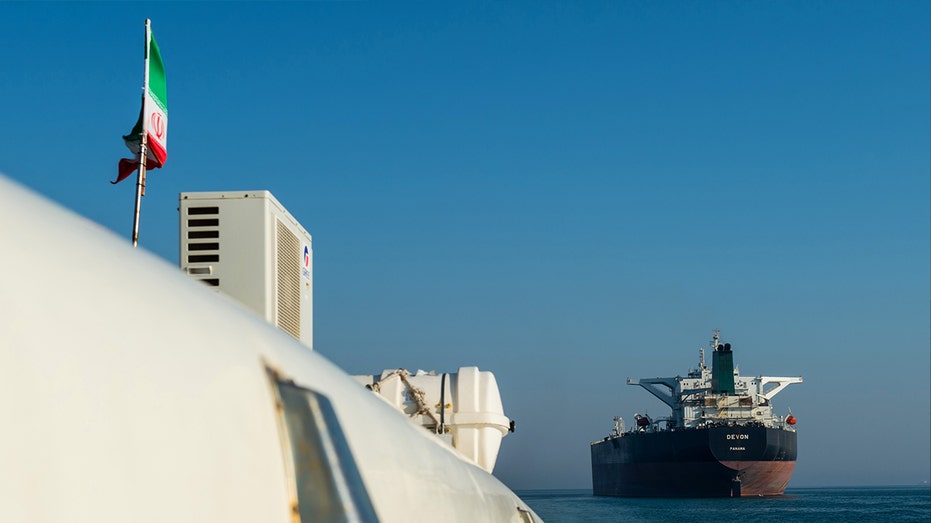
The Trump administration's new framework with Iran grants Tehran immediate oil sanctions waivers . (Ali Mohammadi/Bloomberg via Getty Images)
TRUMP ADMINISTRATION UNVEILS SWEEPING TERMS OF PROPOSED IRAN AGREEMENT
The memorandum of understanding, unveiled by administration officials on a call with reporters Wednesday, says the Treasury Department will immediately issue waivers allowing Iran to export crude oil, petroleum products and derivatives, as well as access associated banking, insurance and transportation services.
But the agreement does not immediately require Iran to dismantle its nuclear program, surrender its enriched uranium stockpile or end enrichment. Instead, the deal says the U.S. and Iran will negotiate the "disposition" of Iran’s enriched uranium stockpile, with down-blending on site under International Atomic Energy Agency supervision identified as the minimum methodology.
Administration officials defended that language as an early nuclear concession, saying the U.S. continues to push for more.
"Of course that's a flaw and we will push for more than that. But the fact that they're conceding to that is a major, major win for the United States of America," one senior U.S. official said on the call. "They're saying we will destroy the enriched stockpile, and this is how we're going to do it at a minimum."
Down-blending would reduce the enrichment level of the material, but would not remove it from Iran.
Trump has defended the framework as necessary to avoid a prolonged conflict, closed shipping lanes and a market shock.
"If we didn't do this deal, we could have dropped more bombs for another three weeks, two weeks, four weeks, two years," Trump said Wednesday at the G7 summit in Évian, France. "You would never have the Hormuz Strait open … Your market would have, instead of going up, would go down at levels that nobody ever saw before, maybe except for 1929."
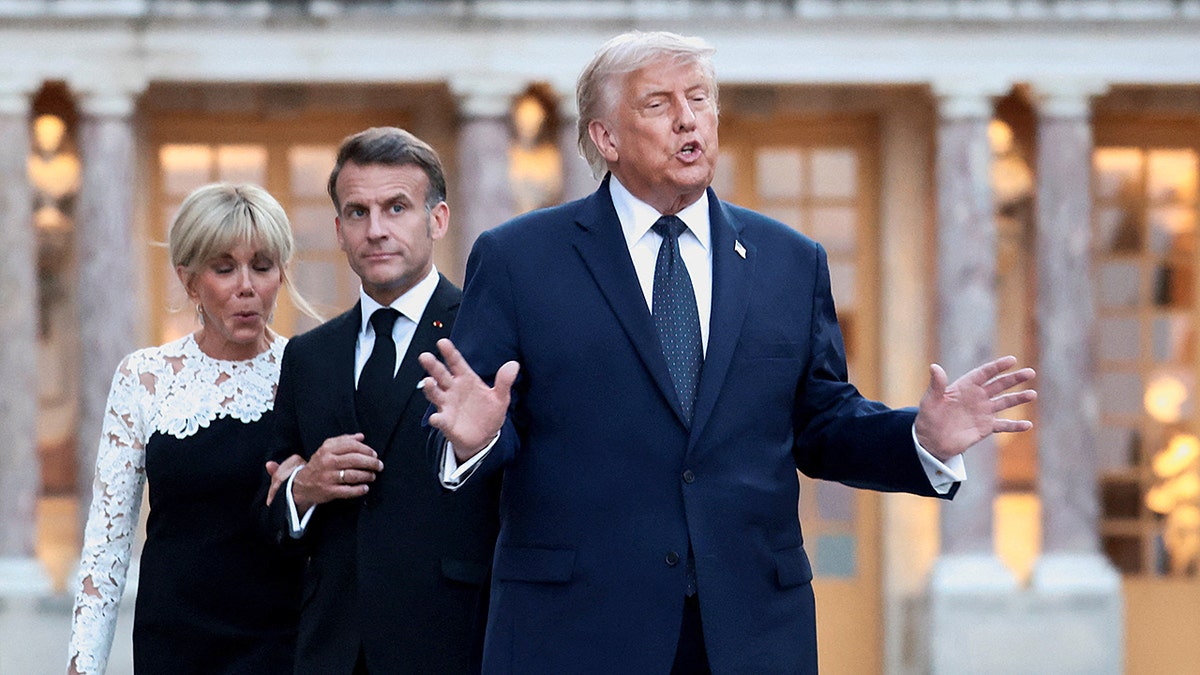
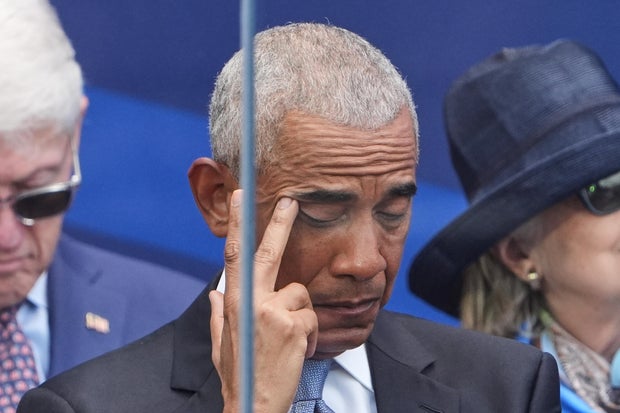
Trump has defended the framework as necessary to avoid a prolonged conflict, closed shipping lanes and a market shock. (Evelyn Hockstein/Reuters)
TRUMP DEFENDS WAR DEAL IN MARATHON PRESSER, USING SEMANTICS ON WHY IRAN IS GETTING $300 BILLION
"I did not want to see economic catastrophe," Trump added.
The framework drew support from Sen. Lindsey Graham, R-S.C., a prominent Iran hawk who said after speaking with special envoy Steve Witkoff that he thought the 60-day agreement would be "beneficial."
"Whether or not the United States can reach an acceptable, verifiable deal with Iran regarding its nuclear program and other issues is yet to be determined, but I see little downside to trying," Graham said.
Others criticized the deal for offering sanctions relief before Iran had agreed to anything concrete on the nuclear front.
"How do you expect Iran to agree to anything in the future, let alone within 60 days, when you've given up all your leverage?" Blaise Misztal, vice president for policy at the Jewish Institute for National Security of America, told Fox News Digital.
Broader sanctions relief, a withdrawal of U.S. forces and a $300 billion reconstruction fund are also contemplated as part of a final deal if both sides can reach one within 60 days.
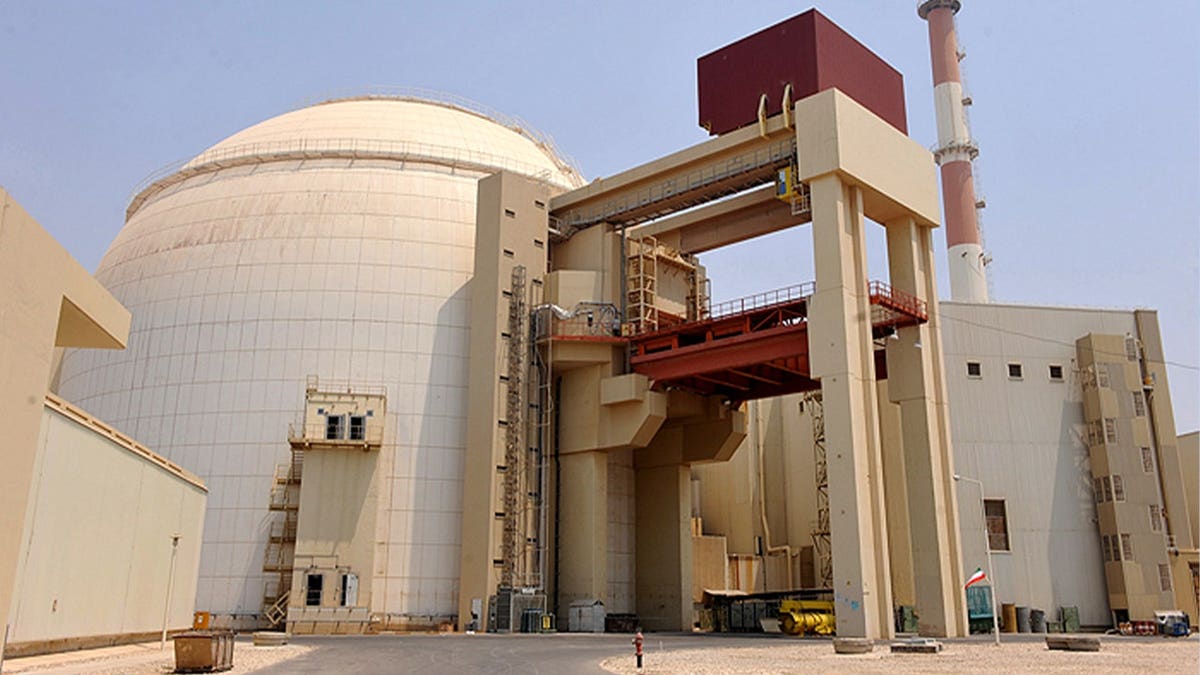
Others criticized the deal for offering sanctions relief before Iran had agreed to anything concrete on the nuclear front. (Photo by IIPA via Getty Images)
Those who opposed the war now argue that the memorandum is the best deal the U.S. can get after the conflict and blockade.
"The U.S. bargaining position was hurt by the war, not helped by it," Rosemary Kelanic, director of the Middle East program at Defense Priorities, told Fox News Digital.
Kelanic said Trump is now "buying off Iran to return to something approaching the pre-war status quo" by offering immediate sanctions waivers and unfreezing assets tied to the reopening of the Strait of Hormuz.
She argued that the immediate waivers are the price Trump has to pay to convince Iran he is serious about diplomacy after launching strikes during negotiations.
"This is like earnest money, right?" Kelanic said. "It's like upfront cash that shows that he really means it. It's a costly signal that Trump essentially forced himself to have to make by breaking off negotiations and bombing Iran in the middle of them."
Iran has framed the memorandum as a test of whether Washington is prepared to act first, rather than simply offer assurances.
"Unfortunately, it must be acknowledged that Iran’s deep mistrust of the United States stems from a long history of wrongdoing by American leaders," Iran foreign ministry spokesman Esmaeil Baqaei said Monday in a press briefing. "The United States still has a long way to go before it can earn the trust of the Iranian people."
The memorandum leaves the key nuclear mechanics to be worked out during the 60-day period, as well as key issues like ballistic missile production and proxy funding.
"What we have in this deal already suggests that if there is a deal in 60 days on the nuclear issue, that deal is going to be weaker than the JCPOA," Misztal said, referring to the Obama-era nuclear deal known as the Joint Comprehensive Plan of Action.
Under the JCPOA, Iran was required to sharply reduce its uranium stockpile, including by removing excess material from the country. Misztal said the new agreement’s minimum standard of down-blending on site suggests Iranian uranium may remain inside Iran.
"That means first of all, no uranium is leaving Iran, which happened under the JCPOA," he said.
The agreement also guarantees toll-free commercial transit through the Strait of Hormuz for 60 days while Iran, Oman and Gulf states discuss a longer-term framework for administration and maritime services in the waterway.
Behnam Taleblu, senior director at the Foundation for Defense of Democracies, warned that the provision raises concerns that Iran could gain a role in regulating a critical international waterway after demonstrating its ability to disrupt global shipping.
"I mean, not just charge a toll, but regulate the crucial international waterway," Taleblu said. "There can be no doubt over the fact that the Strait of Hormuz needs to be open and open to all, not just whomever Iran and Iran plus its friends can pressure others into."
"If there is no guarantee of freedom of navigation, the Islamic Republic is going to salami slice the resolve of the Gulf countries and basically try to throw its weight around in this strait again," he added.
The agreement also calls for the U.S. and regional partners to develop a reconstruction and economic development plan for Iran worth at least $300 billion. U.S. officials have stressed that the provision does not require American taxpayer money, but critics said any funding stream could free up regime resources for other priorities.
CLICK HERE TO DOWNLOAD THE FOX NEWS APP
"It doesn't matter if it's Chinese money or American money or [United Arab Emirates] money," Taleblu said. "The more they have access, the less they have to compete over resources and more they can fund what they want to fund."
If negotiations collapse during the 60 days, Trump has left resuming military pressure back on the table. "If we think that they're just dragging us along and kind of bulls**ting us, then we’ll be very quick to pull the plug," a senior administration official said.