NEWYou can now listen to Fox News articles!
President Donald Trump’s push to fast-track energy and infrastructure projects could be undercut by an Environmental Protection Agency veto authority that allows the agency to block projects even after permits are issued.
EPA’s veto authority stems from Section 404(c) of the Clean Water Act, which allows the agency to block or limit where dredged or fill material can be dumped if it determines the disposal could cause "unacceptable adverse effects." But the law sets no explicit time limit on that authority, leaving the door open to both preemptive and retroactive vetoes.
And it has already been put to the test.
In 2011, the agency used the provision to block disposal sites for Mingo Logan Coal Co.’s Spruce No. 1 mine in West Virginia, four years after the Army Corps of Engineers had issued a permit. The dispute ultimately reached a federal appeals court, which ruled in EPA’s favor.
TRUMP’S REINDUSTRIALIZATION AGENDA FACES ITS BIGGEST HURDLE — AMERICANS
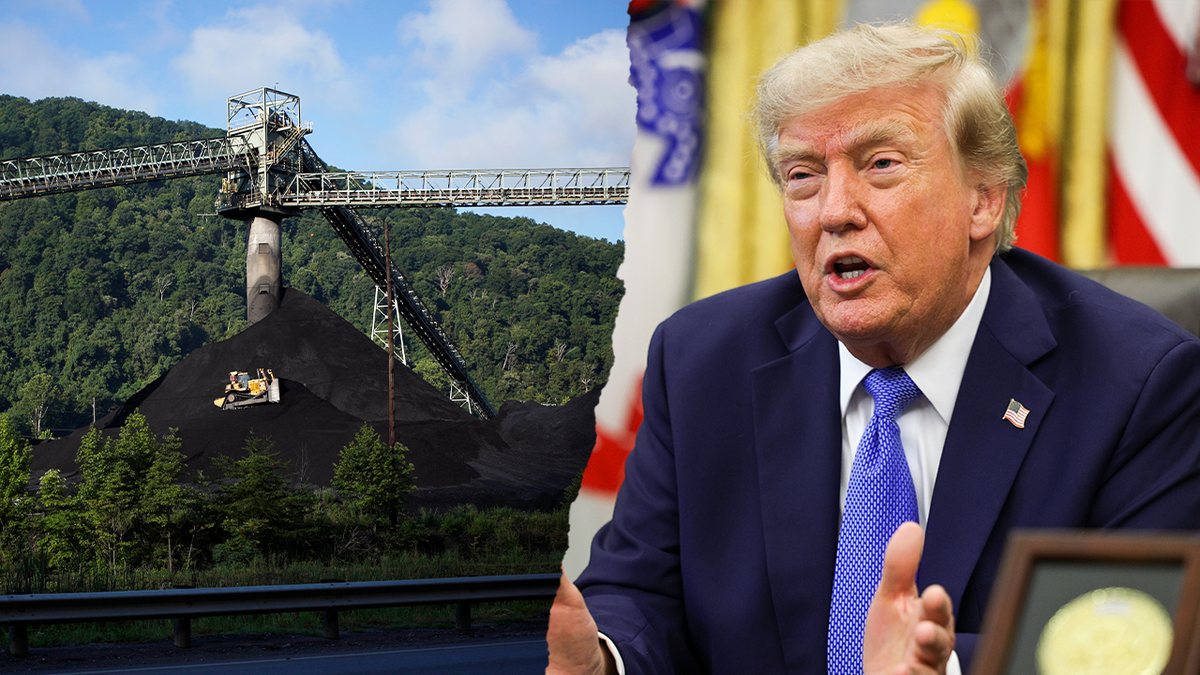
A split image of Mammoth Preparation Plant in London, West Virginia, U.S and President Donald Trump (Photographer: Luke Sharrett/Bloomberg via Getty Images (Photo by Alex Wong/Getty Images))
Myron Ebell, a senior advisor to the Fix the EPA Veto Coalition, said the statute gives EPA broad authority to veto or revoke permits even after the Army Corps of Engineers has issued them, potentially putting projects already under construction at risk under future administrations.
"The environmental movement and the climate movement groups are focused on anything related to fossil fuels, and so any project that is likely to become controversial and political that they can make — that these groups can make politically controversial — would then seem to me to be, have the threat of a veto, and that would, I think, that would just drive away investors and companies from all these projects," Ebell said.
"So that's why we want to focus the administration's attention on this problem that could undo all of the good work that they're doing to speed up permitting," said Ebell, who headed the EPA transition team before Trump’s first administration.
The coalition, which consists of several state energy business groups, wants Congress to change the law but is also pressing the Trump administration to enact an EPA rule limiting when the agency may exercise its veto authority.
GORSUCH SUGGESTS SUPREME COURT'S TRUMP RULING IS OPENING MOVE AGAINST ADMINISTRATIVE STATE
"The way to improve the situation is to get the EPA to put some sideboards and some constraints on the provision, and that would not solve the problem because a future administration could undo that rule, but it takes time to undo a rule," Ebell said.
Congress is also considering a more permanent solution. Last December, the House passed the PERMIT Act, which would limit when EPA can use its Section 404(c) veto power. Under the bill, the agency could use the authority only after a complete permit application is submitted and before the permit is issued. But the legislation has since stalled in the Senate Environment and Public Works Committee.
Daren Bakst, director of the Competitive Enterprise Institute's Center for Energy and Environment, told Fox News Digital that congressional action would provide the strongest protection but argued that the administration should also examine what EPA can accomplish under existing law.
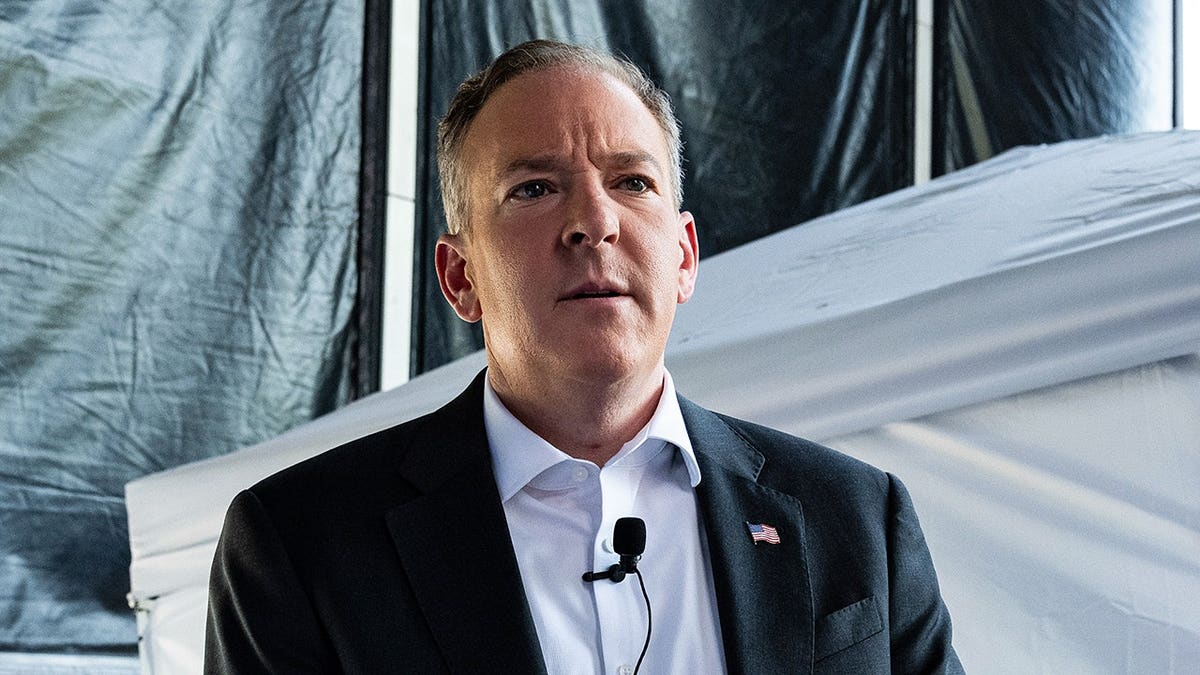
EPA Administrator Lee Zeldin backstage before an EPA panel discussion during the Great American State Fair on the National Mall in Washington, D.C. (Graeme Sloan/Bloomberg via Getty Images)
"Ultimately, Congress really has to do something here, but you got to work multiple angles, and you have to walk and chew gum at the same time," Bakst said.
Bakst said an executive order from Trump highlighting the issue could pressure EPA to pursue a durable administrative solution while signaling to lawmakers that the Section 404(c) provision should be addressed in broader permitting legislation.
"If President Trump issued the executive order, it might help provide a real signal of the importance that the administration places on having such a 404(c) veto issue included into the permitting reform package," Bakst said.
TRUMP'S EPA CHIEF PUSHES BACK ON CLIMATE SKEPTICS BEING LABELED 'SCIENCE DENIERS'
Bakst cautioned that it remains legally uncertain whether EPA could categorically prohibit all retroactive vetoes through regulation. But he said the agency could impose constraints, including requiring officials to consider costs imposed on permit holders and their reliance on previously issued permits.
"The reliance, the consideration, the cost, and the reliance interests of the permit holder are certainly things that [EPA] can make it very clear have to be considered," Bakst said.
Jason Hayes, a senior research fellow for energy, climate and environment at The Heritage Foundation, said EPA should retain some authority to stop projects that pose genuinely unacceptable environmental risks but argued that the current authority is too broad.
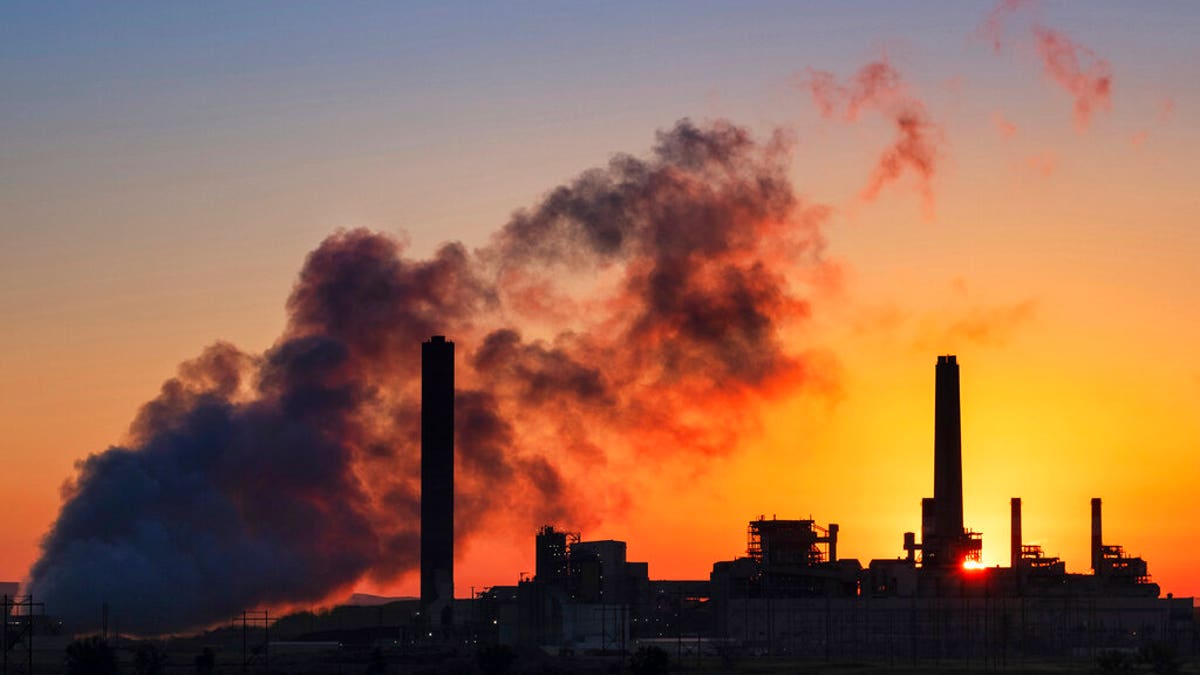
FILE - In this July 27, 2018, file photo, the Dave Johnson coal-fired power plant is silhouetted against the morning sun in Glenrock, Wyo. The Trump administration is close to completing one of the biggest of its dozens of rollbacks of environmental rules, replacing a landmark effort to wean the nation’s electrical grid off coal-fired power plants and their climate-changing smokestack emissions. (AP Photo/J. David Ake)
SIGN UP TO GET THE POLITICS NEWSLETTER
"While it is reasonable for EPA to retain a limited authority to halt a project when there is potential for a genuinely unacceptable environmental impact, the authority granted to the agency under Section 404(c) of the Clean Water Act is too broad. Currently, the agency has an open-ended veto and can shut down a project before the permit application is filed, while it is under review, or after the permit has been approved and work has already begun," Hayes said.
In a June letter, The U.S. Chamber of Commerce made a similar push, calling on EPA, the Council on Environmental Quality and the Army Corps to pursue a rule barring EPA from vetoing a Section 404 permit after it has been issued.
"The ability to undo or preemptively block permitted projects undermines confidence in the permitting system and can chill investment even where projects have complied with established requirements," Marty Durbin, senior vice president of policy and president of the Global Energy Institute at the U.S. Chamber of Commerce, wrote.
While Mingo Logan remains EPA’s only retroactive veto of an issued permit, Bakst warned that the authority still poses a threat to future projects.
"Even though there's only been one example of the retroactive vetoes, the fear is that it can be used and it would be used," Bakst said.
CLICK HERE TO DOWNLOAD THE FOX NEWS APP
"If you can't even rely on a permit that you've already gotten, then I mean, we've got a serious problem," Bakst continued.
Fox News Digital reached out to the White House and the EPA for comment.
Elaine Mallon is a writer for Fox News Digital and Fox Business covering national politics.